If you’ve ever stood waiting for your city bus on a sweltering 90-degree day, staring at the AC vents that blow nothing but lukewarm air, you’ve probably muttered the same question to yourself: “Why is this bus AC taking forever to cool?” As a bus air conditioner supplier, I hear this complaint every single day—from drivers, transit managers, and even passengers who’ve grown accustomed to stepping off a bus feeling like they just walked through a car wash. It’s not just a random annoyance, either; there are real, fixable reasons behind the slow cooling, and most of them tie back to how bus AC systems work (and the unique stressors they deal with every single shift). Let me break this down like I would for a transit manager who’s trying to keep their fleet running smoothly, no jargon, no fluff—just the facts we see every week. Bus Air Conditioner
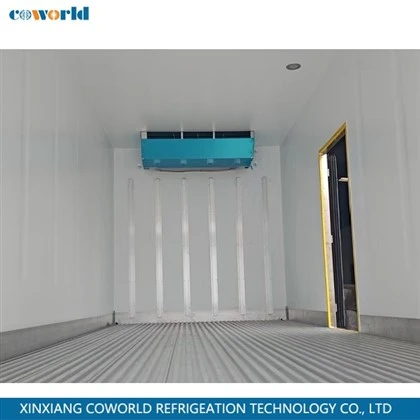
First off, bus ACs aren’t like your home window unit or the AC in your personal car. Personal car ACs are built for small, enclosed spaces—your car is maybe 150 cubic feet, tops. A typical city bus? That’s 500 to 800 cubic feet of space, and sometimes even more if it’s a articulated (accordion-style) bus that carries twice as many passengers. The bigger the space, the more work the AC has to do to pull heat out. But it’s not just the size. Buses are stopped and started all day, sitting in gridlock with idling engines, which means the AC has to keep up with both the outside air seeping in and the heat generated by the passengers inside. Each person on a bus adds about 300 BTUs of heat—more if it’s a hot day and folks are sweating. If a packed bus has 40 people, that’s 12,000 extra BTUs just from bodies. A lot of cheap bus AC units we see are sized for half that load, so they can’t keep up when ridership is high. That’s a huge one, and it’s usually a choice transit agencies make to save a little money upfront, but it bites them back in warm weather.
Next, let’s talk about the biggest culprit we see on old fleets: clogged or dirty filters. I don’t care if it’s a bus AC or your home AC—clogged filters kill airflow. Bus ACs pull in air from inside and outside the bus, and over a week, that filter accumulates dust, pollen, bus exhaust, and even random crumbs from passengers. When the filter is caked with gunk, air can’t flow through the evaporator coil (the part that actually cools the air), so the coil can’t absorb heat like it’s supposed to. I’ve seen filters on buses that haven’t been changed in months—they’re so black you can’t see through them—and guess what? Those units take 10 to 15 minutes longer to cool than units with clean filters. It’s such a simple fix, but so many transit teams skip regular filter checks because they’re swamped with repairs. Another related issue: dirty condenser coils. The condenser is the part outside the bus (usually on the roof or under the frame) that expels heat. If it’s covered in road grime, bug guts, or leaves, it can’t release heat properly. That makes the AC have to work harder, which slows down cooling. We’ve had transit managers tell us their AC units were blowing warm air, and we showed up to find the condenser was so covered in dust it looked like a mud pie—after a quick rinse, it cooled right up in 5 minutes.
Then there’s refrigerant levels. Refrigerant is the stuff that makes the AC work—it absorbs heat from the inside air and carries it outside. But bus AC systems, especially older ones, develop leaks over time. The vibrations from a bus’s engine, potholes, and rough roads can crack small lines or loose fittings, so refrigerant slowly leaks out. If there’s not enough refrigerant, the AC can’t cool the air properly. We get calls all the time from transit teams saying their AC is slow, and when we test it, the refrigerant is 20% lower than it should be. It’s not just a “top it off” fix, either—you have to find the leak, fix it, and then recharge the system. A lot of small repair shops skip finding the leak and just add refrigerant, which works temporarily but ends up making the problem worse because the leak is still there. That’s a mistake we see all too often.
Another thing: improper fan speed settings. A lot of drivers don’t know this, but running the AC fan on low doesn’t just blow less air—it can actually make cooling slower. When the fan is on low, air doesn’t move through the evaporator coil fast enough, so the coil gets too cold and frosts over. That frost blocks even more airflow, and suddenly you’re blowing cold air into a block of ice. We recommend running the fan on medium or high when the bus is warming up, so air flows fast enough to prevent frost buildup. It sounds counterintuitive, but it works. We’ve shown drivers this trick, and they’ve come back saying their cooling time dropped by half within a week. Also, some older buses have manual AC controls that are out of calibration—so the “cold” setting is actually halfway, which means the system never runs at full capacity. That’s a simple calibration fix, but it goes unnoticed for years.
Wait, let’s not forget about environmental factors that are specific to buses. If a bus is parked in direct sun for hours before its first run, the interior is going to be way hotter than a parked car. We’re talking 120 degrees inside the bus, even if it’s 85 outside. The AC has to work overtime to bring that 120-degree air down to 70, which takes longer than if the bus was in the shade. Also, if the bus has big windows (which most do) and poor window tint, the sun’s rays heat up the interior faster. Transit agencies sometimes skip good tint to save money, but good tint can cut the interior temperature by 10 to 15 degrees, which makes the AC’s job way easier. We’ve worked with a few transit teams that added tint, and their AC cooling time went down by 7 minutes on average. That’s a big difference when you’re trying to get passengers comfortable during a hot morning rush.
Then there’s wear and tear on the compressor. The compressor is the heart of the AC system—it pumps the refrigerant around. Over time, as the compressor gets old, it loses efficiency. It doesn’t pump as much refrigerant, so the cooling power drops. For buses that run 12 hours a day, 6 days a week, a compressor can start to wear out after 5 to 7 years, which is about the lifespan we design for. If a compressor is only working at 80% capacity, the AC takes 20% longer to cool. A lot of transit teams will put off replacing the compressor because it’s a big expense, but it’s one of those “pay me now or pay me later” things. We see buses with old compressors that can’t keep up in 90-degree weather, even when all the other parts are working fine.
Let me also address a common myth: “The AC is broken.” A lot of the time, slow cooling isn’t a broken part—it’s a small, preventable issue. Last summer, we had a transit manager call us in a panic because 10 of their buses were taking 20 minutes to cool. We sent our techs out, and all they did was change the filters, clean the condensers, and calibrate the controls. It took less than an hour per bus, and the cooling time dropped to 5 minutes. That’s the stuff that most people miss because they’re busy with other bus repairs.
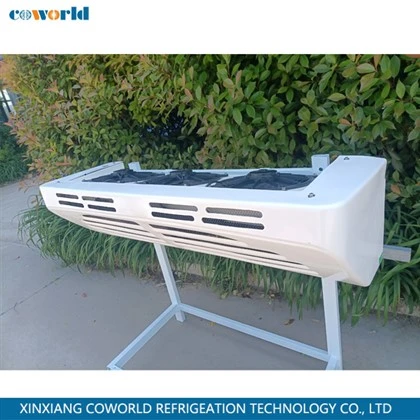
Now, I know what you’re thinking: “OK, so what can I do about this?” If you’re a transit manager or someone who’s responsible for your fleet, the first step is a regular maintenance check. Change filters every 2 weeks (bus AC filters get dirty way faster than home ones), clean the condenser coils every month, and check refrigerant levels every quarter. It’s way cheaper than waiting for a compressor replacement or a full AC unit overhaul. If you’re noticing consistent slow cooling even after maintenance, it might be time to upgrade your AC units. We design bus ACs with higher BTU ratings, durable filters that last longer, and compressors built for heavy-duty use. These systems are built to handle the load of a full bus on a hot day, so they cool faster and use less fuel (which saves you money long-term).
If you’re tired of dealing with buses that take forever to cool, and you’re ready to fix this for your fleet, we’re here to help. We’ve worked with transit agencies of all sizes, from small city routes to large regional fleets, to upgrade their AC systems and cut down on passenger complaints. We’ll send a tech to inspect your buses, identify exactly what’s causing the slow cooling, and give you a clear plan to fix it—no hidden fees, no jargon, just honest advice. Whether you need filter replacements, condenser cleaning, or a full AC upgrade, we can work with your schedule to minimize downtime for your fleet.
If you’re ready to stop dealing with lukewarm bus air and get your fleet cooling fast, reach out to us to schedule a consultation. We’re here to make sure your passengers stay comfortable, your drivers don’t have to stress about overheating, and your fleet runs smoothly all summer long.
Electric Refrigeration Unit References
- Bus Air Conditioning Systems: Operation and Maintenance Guidelines, Society of Automotive Engineers (SAE) International, 2022
- Heavy-Duty HVAC Performance Metrics, National Transit Institute, 2021
- Indoor Thermal Comfort for Public Transit Vehicles, Journal of Transportation Engineering, 2020
- Bus Air Filter Efficiency and Its Impact on HVAC System Performance, American Public Transportation Association (APTA), 2023
Xinxiang Coworld Refrigeration Technology Co., Ltd.
As one of the most professional bus air conditioner manufacturers and suppliers in China, our products have good reputation in the market. We warmly welcome you to buy cheap bus air conditioner for sale here from our factory. If you have any enquiry about cooperation, please feel free to email us.
Address: B103 ROOM, GT CITY, NO.199 ZHENGZHONG ROAD, HIGH TECH ZONE, XINXIANG CITY, HENAN PROVINCE, CHINA
E-mail: coworldfrio@hotmail.com
WebSite: https://www.coworldthermo.com/
