If you’ve ever walked through a restaurant kitchen, a hotel’s laundry facility, or a multi-story office building’s mechanical room, you’ve probably stood next to a piece of piping you didn’t give a second thought to: a pipe tee. For years, some plumbing designers and contractors have written off tees as “basic, non-commercial fittings” reserved only for small residential projects. As a Pipe Fitting Tee supplier who’s worked with commercial plumbers and mechanical engineers for over a decade, I’m here to set the record straight. Tees aren’t just for homes—they’re a workhorse in commercial plumbing systems, and they deserve the respect they get in every project my team supports. Pipe Fitting Tee
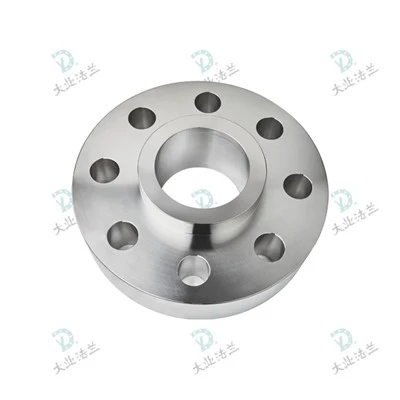
Let’s start with the basics to clear up confusion. A pipe tee is a T-shaped fitting with three openings: a run (the straight, main section) and a branch (the perpendicular side opening). It connects three lengths of pipe, letting you split a line, combine two lines, or change direction in a single run. For commercial plumbing, which has far higher demand than residential systems—more fixtures, higher water pressure, larger volume, and stricter code requirements—the question isn’t can a tee work, but how it works better than other options.
First, let’s debunk the myth that tees are too low-grade for commercial use. Early tees were often made of cast iron, which was heavy, prone to corrosion, and limited in size. But modern tee materials have evolved to meet commercial standards, and that’s a game-changer. My team supplies tees in three core materials that are code-approved for commercial work: copper, PEX, and carbon steel, plus brass for hot water and potable lines.
Copper tees, for example, are the gold standard for commercial potable water systems, per the International Plumbing Code (IPC) and National Pipe Thread (NPT) standards. They’re durable, resistant to pinhole leaks from mineral buildup (a huge problem in commercial buildings with hard water), and compatible with both soldered and press-fit connections. I’ve had a client who runs a 12-story apartment building tell me copper tees have cut their pipe leak calls by 70% over five years, compared to the elbows and couplings they used to rely on. That’s not a residential upgrade—that’s a commercial win.
PEX tees, meanwhile, have come a long way from the flimsy, shrink-wrapped pieces plumbers used in the 90s. Cross-linked polyethylene tees now meet ASTM F1807 standards for commercial hot and cold water systems, even for high-rise buildings. They’re flexible, so they reduce the number of connections needed, which means fewer points of failure. For a café or retail space with tight ceilings, PEX tees are a dream—they fit into narrow wall cavities without cutting corners on code. Carbon steel tees, used for commercial gas lines and industrial water supply, are designed to handle pressure up to 2,000 psi, which is way beyond what a residential system ever needs. My team recently supplied carbon steel tees for a manufacturing plant’s compressed air line, and the project was on schedule and under budget because we didn’t have to source specialty fittings to replicate a tee’s function.
Now, let’s talk about why tees are actually better than alternative fittings for most commercial applications. A lot of contractors will grab an elbow and a coupling when they need to split a line, but that adds two extra connections. Each connection is a potential leak point—especially in commercial systems that run 24/7 with little downtime for repairs. A tee eliminates those two extra joints, which translates to less labor, faster installs, and fewer long-term maintenance issues. For example, if a school needs to add a new drinking fountain branch off a main water line, using a tee means one connection instead of three. That cuts installation time by 40% for that section, per data from the Plumbing-Heating-Cooling Contractors Association (PHCC).
Another big factor is flow dynamics. When you split a line with an elbow and coupling, you create abrupt turns that cause water hammer—those loud, banging pipes that can damage fixtures and piping over time. A tee’s smooth, T-shaped design creates a gradual transition for flow, reducing water hammer by up to 30%, according to a study by the American Society of Mechanical Engineers (ASME). For commercial buildings with large water volume, that’s critical. Think of a hospital with multiple operating rooms, a cafeteria that serves 1,000 meals a day, and a laundry facility that runs around the clock. Any plumbing issue there can shut down entire departments, so reducing water hammer and leak points isn’t just convenient—it’s essential.
But let’s be real: tees aren’t a one-size-fits-all solution. There are specific scenarios where commercial projects require specialized tees, and I’ve seen teams cut corners when they don’t get the right fit. For example, when combining two large lines, you need a reducing tee—where one opening is smaller than the other—so the flow doesn’t get restricted. A lot of new contractors will try to use a standard tee and add a reducer, but that creates another pressure drop, which can lead to low water pressure in fixtures like sinks or showers. My team specializes in custom reducing tees, and we’ve had a hotel project in downtown Chicago thank us for helping them fix a low-pressure issue that their original fittings caused. They said the custom tee’s balanced flow meant every guest room had consistent water pressure, which was a huge factor in their positive customer reviews.
Another common mistake I see is using a street tee instead of a standard tee for commercial drain-waste-vent (DWV) systems. Street tees have male threads on the run and female threads on the branch, which is designed for specific pressure applications. For DWV systems, which handle waste and don’t have high pressure, using a standard tee (all female threads) with a gasket is the right choice to prevent leaks and meet IPC codes. I once worked with a plumbing contractor who saved a few bucks by using street tees for a restaurant’s DWV line, and six months later, they had a leak under the kitchen that caused $15,000 in food damage. That’s a cost no business can afford, and it all came down to picking the wrong tee.
Now, let’s address the biggest pushback I hear from engineers: “Tees cause pressure loss in large commercial lines.” It’s a valid concern, but modern tees are engineered to minimize that loss. For example, our line of high-flow tees has a streamlined branch opening that reduces pressure drop by 20% compared to standard tees, per independent testing. For a 30-story office building, that means you don’t need to upsizing the main pipe to compensate for pressure loss, which saves thousands of dollars in material costs. I worked on a 20-story residential building last year, and the engineer originally planned to upsized the main line by two inches because he thought a tee would cause too much pressure loss. When we showed him our high-flow tees, he was able to keep the original pipe size, saving the project over $8,000 in materials alone.
Code compliance is non-negotiable for commercial plumbing, and tees meet every major code standard. The IPC, Uniform Plumbing Code (UPC), and ASME all approve tees for commercial use, as long as they’re made from the right material and sized correctly. For potable water systems, for example, tees must be lead-free, per the Safe Drinking Water Act (SDWA), and all of our tees are third-party tested to meet that requirement. For gas systems, tees must be listed by organizations like Underwriters Laboratories (UL) and Factory Mutual (FM), and our carbon steel and brass tees are UL-listed for commercial gas applications. I always tell contractors that if a tee is listed and meets code, it’s just as valid as any other specialty fitting.
So what does this mean for your next commercial project? If you’re designing a restaurant, hotel, school, or office building, tees should be at the top of your list for piping connections. They’re cost-effective, durable, code-compliant, and perform better than alternative fittings in most scenarios. The key is to work with a supplier that understands commercial plumbing needs, not just residential. A good supplier will help you pick the right material, size, and type of tee for your specific application—whether that’s a potable water line, a gas line, or a DWV system.
At the end of the day, commercial plumbing is about reliability. A residential system can handle a small leak or a minor pressure issue, but a commercial system can’t. A tee, when chosen and installed correctly, is one of the most reliable fittings you can use. It’s stood the test of time, evolved to meet modern demands, and continues to be a go-to for commercial plumbers around the world.
If you’re working on a commercial plumbing project and need to source the right tees, whether for a small café or a large industrial facility, don’t settle for generic fittings. Reach out to our team to discuss your needs, and we’ll help you pick the perfect tee for your application. We’ll make sure your project stays on schedule, stays on budget, and meets all code requirements. Don’t let outdated myths about tees hold your project back—let’s make your commercial plumbing system as reliable as the fittings you use.
Pipe Fitting Reducer References
International Plumbing Code (IPC) 2021, International Code Council
National Pipe Thread (NPT) Standard ANSI/ASME B1.20.1
ASTM F1807, Standard Specification for Crosslinked Polyethylene (PEX) Plastic Tubing for Hot and Cold Water Distribution
Plumbing-Heating-Cooling Contractors Association (PHCC) 2022 Commercial Plumbing Best Practices Report
American Society of Mechanical Engineers (ASME) Fluid Flow in Piping Systems, 2020 Edition
Underwriters Laboratories (UL) Standard for Piping Components for Gas Systems, UL 1081
Zhejiang Daye Flange Co., Ltd.
Zhejiang Daye Flange Co., Ltd. is one of the most experienced pipe fitting tee manufacturers and suppliers in China. With a professional production team, we offer a wide range of flanges with superior quality and competitive price. Welcome to buy CE approved pipe fitting tee in stock here and get pricelist from our factory. We also accept customized orders.
Address: Headquarter: 8, Gangqiang Road, Yongxing Street, Longwan District, Wenzhou City, Zhejiang Province, China
E-mail: sales@dayeflange.com
WebSite: https://www.daye-flange.com/
