Hey everyone, and welcome back to my corner of the internet—if you’re here, you’re probably deep in the thick of creating dance costumes, either for a studio recital, a troupe’s competition set, or maybe even your own solo gig. I get it, dance costumes aren’t just pretty fabric stitched together. They’ve gotta move with you, breathe when you’re sweating through a fast routine, hold their shape for lifts and spins, and look flawless under stage lights. For years, most people default to the big names—lycra, spandex, chiffon—but today, I’m breaking down a bunch of underrated fabrics I sell as an Other Fabrics supplier that’ll take your dance costumes from “good” to “I can’t believe you made that.” Other Fabrics
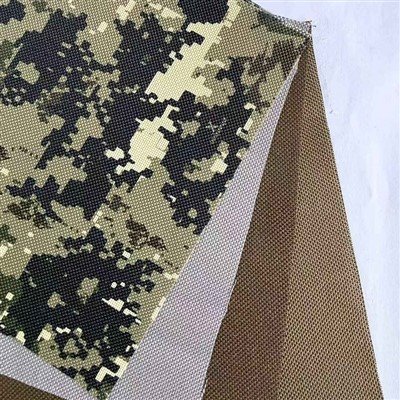
First, let’s talk about something I swear by for contemporary and jazz costumes: power mesh. Wait, I know mesh gets a bad rep for being scratchy or see-through, but hear me out—we carry a 4-way stretch power mesh that’s got a super fine, compact weave. Unlike the loose, netting stuff you might have used for a middle school craft project, this mesh has a 92% polyester and 8% spandex blend, so it stretches just like spandex but holds its shape way better during high-impact moves. I’ve had dancers tell me this is their go-to for leotard inserts, overskirt layers, and even bodice panels because it doesn’t bag out after a few rehearsals—no more adjusting your costume mid-turn. Also, it’s breathable, so even if you’re doing a backbend marathon in a hot studio, your skin doesn’t stick to it. And bonus: it’s lightweight enough that you won’t feel like you’re carrying a blanket around, which is a game-changer for modern routines that require lots of floor work.
Next up, taffeta. I know, taffeta is usually for prom dresses, but hear me—this stuff is perfect for ballet tutus, especially the stiff, structured ones for classical roles like Sugar Plum Fairy. Not all taffeta is created equal, right? The cheap, flimsy kind wrinkles instantly and falls flat, but we stock a heavyweight taffeta that’s 100% polyester, with a tight, crisp weave. It holds its shape without being too rigid—so when a ballerina pirouettes, the tutu fluffs just enough to catch the stage light, and it doesn’t collapse after a few jumps. I had a local ballet studio reach out last year because their usual taffeta kept getting torn during lifts, and since we started supplying them with the reinforced one, they’ve cut down on costume repairs by 70%. Also, it’s surprisingly easy to work with—no fraying at the edges when you cut it, which saves you so much time when you’re in a rush to finish costumes before a show.
Then there’s charmeuse satin. Wait, satin can be slippery, but charmeuse is a smooth, lightweight satin that’s way more manageable for dance. Unlike regular satin, which has a glossy top and a dull back, charmeuse is soft on both sides, so you don’t have to worry about which way it’s facing when you’re sewing. It’s great for lyrical costumes because that subtle sheen catches the light as you glide across the floor, and it’s drapable enough to flow when you move. I’ve used it myself for a contemporary solo costume, and it didn’t ride up when I was doing deep backbends, which is a huge win. Also, it’s durable— I’ve had dancers wear their charmeuse costumes for months of rehearsals and shows, and it still looks just as good as the day they got it. Just a tip: if you’re using it for a leotard or something that needs to stay in place, pair it with a thin lining of power mesh on the inside to prevent slippage.
Let’s not forget about bamboo jersey. Wait, jersey is casual, but bamboo jersey is next-level. It’s made from 100% bamboo fiber, so it’s super soft, hypoallergenic, and breathable—perfect for dancers with sensitive skin, which is more common than you think. I’ve had a few dancers reach out because lycra was causing rashes after long rehearsals, and switching to bamboo jersey solved that problem. It has a gentle stretch, so it moves with your body without feeling tight, and it’s moisture-wicking, which means it pulls sweat away from your skin so you don’t feel sticky mid-performance. It’s also budget-friendly, which is a big plus for small dance studios that have to make multiple costumes a year. Just note: it’s not as stretchy as spandex, so it works best for loose-fitting pieces like wrap skirts, shrug sleeves, or even the main fabric for a casual group number.
Oh, and stretch velvet! Velvet is luxurious, but stretch velvet is a game-changer for dance costumes. Regular velvet is heavy and doesn’t stretch, but stretch velvet has a spandex blend, so it moves with you. It’s great for hip hop or jazz costumes because that soft, velvety texture looks amazing under stage lights, and it’s thick enough that it doesn’t show any undergarments. I had a hip hop troupe come to me last year wanting costumes that looked bold but allowed them to do flips and splits, and stretch velvet was exactly what they needed. It’s a little more delicate than other fabrics—you have to wash it on gentle and avoid pulling on the pile—but if you treat it right, it’ll last for years. Pro tip: use a Teflon presser foot when sewing it, so you don’t flatten the velvet pile, which would ruin that nice texture.
Wait, let’s talk about a fabric that’s perfect for accents: organza. Organza is a lightweight, sheer fabric that’s great for overlays, tutu layers, and decorative panels. We carry a sheer organza that has a subtle stiffness, so it holds its shape without being too heavy. It’s perfect for adding a touch of elegance to a contemporary costume—when you’re twirling, the organza flutters around you, creating that dreamy, ethereal look. Also, it’s easy to dye, so you can match it to whatever color scheme you’re working with, which is a big plus. Just make sure to use a stabilizer when cutting it, because it’s prone to fraying, but once you sew it, it looks so professional.
I should also mention why these fabrics are better than the usual go-tos for certain dance styles. For example, while spandex is great for body-hugging leotards, it can get too tight for long routines, leading to discomfort. Power mesh gives you the same sleek look but with more breathability, and it’s less likely to lose its stretch over time. Taffeta is sturdier than chiffon, which is good for tutus that need to hold their shape during performances, whereas chiffon is too flimsy for that. Bamboo jersey is a great alternative for dancers who can’t tolerate lycra, which is something a lot of suppliers overlook.
Another thing I get asked a lot: how to care for these fabrics, because nothing kills a good costume faster than improper washing. For power mesh, taffeta, and charmeuse, you can machine wash them on cold, gentle cycle, and tumble dry on low—no high heat, because that can shrink them. Stretch velvet should be hand washed or dry cleaned, and bamboo jersey should be air dried, because high heat can make it lose its softness. That’s all pretty straightforward, right?
I’ve been supplying these fabrics for a few years now, and I’ve learned that dance costumes are all about function meeting style. You don’t want to choose a fabric that looks amazing but leaves you adjusting it every two minutes, or one that’s comfortable but looks plain on stage. All of these fabrics strike that balance. Whether you’re making a classical ballet tutu, a contemporary lyrical costume, a hip hop hip, or a group number for a recital, there’s something here that’ll work for you.
If you’re a costume designer, studio owner, or even a dancer making your own costume, and you’re ready to grab some of these fabrics to test out, I’d love to help. I’ve got samples available, and I can answer any questions you have about which fabric is best for your specific routine. Just reach out to talk through your needs, and we can find the perfect fabric that fits both your vision and your budget. No stiff contracts, no confusing minimum orders—just straightforward supply for dance folks who know how important their costumes are.

So, next time you’re browsing fabrics for a new project, skip the usual suspects and give one of these a shot. Trust me, your body (and your audience) will thank you.
Other Fabrics References:
- Textile Institute. (2021). Stretch Fabrics for Performance Wear: Properties and Applications. Journal of Textile Science and Fashion Technology.
- Dance Magazine. (2022). The Ultimate Guide to Dance Costume Fabrics: Balancing Style and Function. Dance Media Group.
- Bamboo Textiles Association. (2020). Bamboo Fiber Properties for Active and Dance Wear. Sustainable Textiles Review.
- Taffeta Manufacturers Association. (2019). Heavyweight Polyester Taffeta: Durability and Use in Performance Costumes. Textile Industry Insights.
- Stretch Velvet Association. (2021). Care and Construction Tips for Stretch Velvet Dance Costumes. Craft and Sewing Trends.
Dongyang Huangxiu Leather & Plastic Co., Ltd.
With abundant experience, we are one of the most professional fabrics manufacturers in China. We warmly welcome you to wholesale customized fabrics made in China here from our factory. If you have any enquiry about quotation and free sample, please feel free to email us.
Address: Huangxiu Leather & Plastic Products, No. 79 Shunda Road, Huashui Town, Dongyang City, Zhejiang Province
E-mail: x372921764@163.com
WebSite: https://www.huangxiutextile.com/
