If you’ve ever found a puddle of fluid (whether it’s water, oil, gas, or a corrosive chemical) around the stem of a ball valve you installed or maintain, you’re not alone. As a ball valve supplier that’s worked with industrial, commercial, and municipal clients across North America for over a decade, this is one of the most common questions we get from both new operators and seasoned maintenance technicians. It’s easy to assume a leak means a faulty part right out of the box, but in reality, stem leaks almost always stem from a combination of installation missteps, operational wear, or overlooked system conditions—not just a bad valve. Let’s break down the science and practical causes of stem leaks, and what you can do to fix them, with insights from our team that’s spent years troubleshooting these exact issues for our clients. Ball Valve
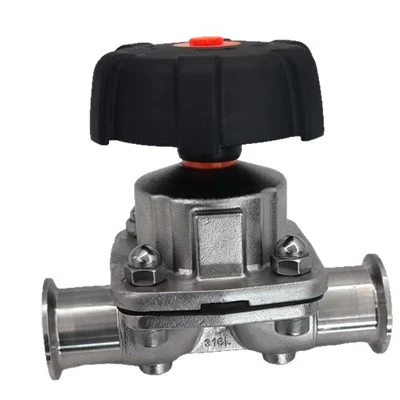
First, let’s get a quick refresher on how a ball valve’s stem works, because understanding that core design makes the leak logic much clearer. A standard floating or trunnion-mounted ball valve has a round, perforated core (the ball) inside a metal body. The stem is a long, metal rod attached to the top of the ball, which extends out of the valve body and connects to a handle, actuator, or gear operator. When you turn the handle, the stem spins the ball 90 degrees, aligning its hole with the valve’s inlet and outlet ports to open the valve, or rotating it perpendicular to the ports to shut flow. To keep the fluid inside the valve (and out of the surrounding area), the stem passes through a tight, custom-designed seal at the top of the body called the stem packing. This packing is usually a set of compressed rings made from materials like PTFE, graphite, or reinforced fiber, sized perfectly to fit the gap between the stem and body wall. The packing is held in place by a packing gland— a bolted flange or threaded adapter that presses the packing rings against both the stem and the inner body wall to create a fluid-tight barrier. Most stem leaks happen when this seal fails, but the reasons it fails are wide-ranging.
Let’s start with the most avoidable cause: improper installation. This is the one we see more than any other, especially from first-time installers or teams that rush through valve setups. For example, over-tightening the packing gland is a common mistake. Installers often crank down on the gland bolts to stop a minor initial leak, but too much pressure squeezes the packing rings so tight against the stem that it creates friction that wears the packing prematurely, or even causes galling on the stem itself—small, rough metal patches that break off and create tiny gaps for fluid to seep through. We had a client last year, a small food processing plant, call us in a panic because 12 new ball valves we supplied were leaking from their stems three months after installation. When we walked through their site, we found the maintenance crew had cranked each gland bolt to 50 foot-pounds of torque (we recommend 15-20 foot-pounds for standard PTFE packing), so tight that half the valves’ stems had slight bend marks from the pressure. The fix was simple: we replaced the worn packing, adjusted the torque correctly, and taught their team how to check packing tension properly, and the leaks stopped entirely. The opposite problem—under-tightening the packing gland—also causes leaks, especially right after installation. If the gland is too loose, the packing rings don’t make full, even contact with the stem, creating small channels that fluid can seep through over time. Another installation misstep we see is a misaligned stem. If the valve’s actuator is not calibrated correctly when it’s mounted to the stem, it can pull or twist the stem every time the valve is opened or closed, shifting the packing rings unevenly and creating gaps. We had another client, a chemical distributor, whose automated ball valves (with electric actuators) started leaking stems after their in-house maintenance team tried to reconfigure the actuators without checking alignment. The stem was bowed slightly, so every 90-degree spin caused the packing to rub unevenly and wear through within weeks. The solution here was actuator recalibration and a quick check from our field service team to confirm stem alignment specs.
Next, wear and tear from operational use. Ball valves are durable, but their stems and packing aren’t indestructible, especially in harsh operating conditions. The most common wear-related stem leak comes from the constant back-and-forth or quarter-turn motion of the stem. Every time you open or close a valve, the stem spins inside the packing, causing friction that slowly wears down the packing rings. Over time, these rings thin out, lose their compression, and can no longer seal the gap between stem and body. The rate of this wear depends on how often the valve is cycled—valves that open and close 100+ times a day will wear packing much faster than ones used only a few times a month. For high-cycle applications, we recommend upgrade packing materials like graphite, which is more heat-resistant and has lower friction than standard PTFE, extending packing life by 2-3 times in many cases. Another wear culprit is fluid contamination. If the fluid running through the valve has small, hard particles—like sediment, rust from old pipework, or process debris—these particles can get trapped between the stem and packing every time the stem spins. Over time, these particles scratch and score the stem, creating tiny grooves that act like channels for fluid to seep past the packing. We had a municipal water client call us about a batch of ball valves that were leaking stems in their raw water intake system, where the water has high levels of sand and silt. When we inspected the stems, we found fine, parallel scratches from sand particles, and the packing had worn unevenly to match the grooves. The fix here wasn’t just replacing the packing: we recommended installing upstream strainers to catch the sand, and switched their packing to a larger, thicker ring that could compensate for minor stem scoring, which stopped the leaks long-term. Extreme operating conditions also accelerate wear. Valves used for high-temperature fluids (over 400°F) or corrosive chemicals can break down standard packing materials quickly. PTFE, for example, starts to deform and lose its sealing properties at temperatures above 500°F, while corrosive acids can eat through fiber packing in weeks. We had a refinery client that was using our standard PTFE packing in valves handling hot hydrofluoric acid, and the packing was failing every 30 days. Switching to a corrosion-resistant graphite packing rated for their temperature and chemical load fixed the issue immediately.
Another less obvious cause of stem leaks is pressure or thermal cycling. When a valve is part of a system that experiences frequent pressure spikes or dramatic temperature changes, the entire valve body and stem expand and contract at different rates. This thermal growth mismatch can pull the stem slightly out of alignment with the packing, or cause the packing rings to shift unevenly, creating gaps. For example, if a valve is used to transport steam, every time it opens, hot steam rushes through the valve body, making the metal body expand faster than the stem (which is a thinner, smaller metal component). Once the valve closes and the system cools, the body contracts, leaving the stem slightly exposed and the packing loose. Over multiple thermal cycles, this repeated expansion and contraction wears the packing prematurely. We recommend for high-temperature, high-cycle steam applications using bellows-sealed ball valves, which have a flexible metal bellows welded to the stem that eliminates any gap between stem and body entirely, preventing leaks from thermal cycling. For non-bellows valves, adjusting packing tension every 6-12 months during system shutdowns can also help compensate for minor shifting.
Wait a minute—could the leak be coming from somewhere else and just appearing at the stem? It’s a question our team hears often, and it’s a common mistake to misdiagnose. Sometimes, a leak in the valve’s body, seat, or even the valve’s pipe connection can run down the side of the valve and drip from the stem area, making it look like a stem leak at first glance. We once had a small manufacturing client who spent two weeks replacing packing and tightening glands on a ball valve that was “leaking from the stem,” only to find the actual leak was a cracked body seal between the valve and a pipe flange. The fluid was seeping from the flange gap, running down the valve body, and dripping off the stem’s base. That’s why, if you see a leak at the stem, start with a simple visual test: wipe the entire valve body and stem dry, open and close the valve a few times, and watch where the first drop of fluid comes from. If it’s coming from the top of the stem, that’s a true stem leak; if it’s coming from the base of the valve body or a flange, you’re dealing with a separate issue that has nothing to do with the stem seal.
Now, what do you do if you’re already dealing with a stem leak? For minor, slow leaks, the first step is to check the packing gland tension, correctly. Start by wiping the area dry, then use a torque wrench to loosen and re-tighten the gland bolts in a crisscross pattern (not all at once) to ensure even pressure. For standard PTFE packing, torque bolts to 15-20 ft-lbs; for graphite packing, 20-25 ft-lbs. If that doesn’t stop the leak, you may need to repack the valve. This is a straightforward process for most ball valves: shut off the upstream and downstream flow, relieve system pressure, remove the gland flange, pull out the old packing rings, and install new rings, staggering the seams between each ring to create a tighter seal. For more complex issues, like stem scoring from contamination or thermal growth mismatch, it’s best to consult a ball valve supplier, like our team, to assess the root cause and recommend the right replacement parts or valve type.
At the end of the day, stem leaks are almost never a sign that you bought a bad ball valve—most of the time, they’re a result of small installation missteps, unaccounted-for system conditions, or lack of regular maintenance. As a ball valve supplier, our job isn’t just to sell valves; it’s to help our customers keep their systems running smoothly, and that means walking through these issues, troubleshooting, and providing solutions tailored to their specific applications.
If you’re dealing with persistent stem leaks, or you’re looking to upgrade your valve setup to prevent future issues, our team is here to help. We work with clients across all industries, from small commercial operations to large industrial facilities, to diagnose problems, recommend custom solutions, and supply high-quality, reliable ball valves and parts. Reach out to our team to discuss your specific needs.
Threaded Steam Trap References
- “Ball Valve Design and Performance Guidelines.” American Water Works Association (AWWA), 2021.
- “Packing Materials for Valves: Selection and Maintenance.” Fluid Controls Institute (FCI), 2019.
- “Thermal Growth and Valvular Alignment in Process Systems.” Chemical Processing Magazine, 2020.
- “Stem Leakage Causes and Mitigation in Quarter-Turn Valves.” Pumps & Systems, 2018.
Shijiazhuang Hanqian Technology Co., Ltd.
Shijiazhuang Hanqian Technology Co., Ltd. is one of the most professional ball valve manufacturers and suppliers in China, also supports customized service. We warmly welcome you to wholesale advanced ball valve made in China here and get quotation from our factory. Quality products and reasonable price are available.
Address: No.259, West 2nd Street, 2nd Floor, Hall 3, Lecheng International Trade City, No.36 Tianshan North Street, Chang’an District, Shijiazhuang, Hebei Province
E-mail: weigenghan@gmail.com
WebSite: https://www.hqvalvetech.com/
