If you’ve ever huddled at your backyard pool, waiting for the water to warm just enough to actually want to jump in, you’ve probably wondered how much it’d cost to fix or replace that finicky pool heater that’s been glitching all summer. As a swimming pool equipment supplier who’s fielded this exact question at least 10 times a day (sometimes more, during pool season), I can tell you this isn’t a one-size-fits-all number. There’s no flat rate you can pull out of thin air, but breaking down the variables will help you plan without breaking the bank. Let’s get real about what goes into that total cost, no corporate jargon allowed. Swimming Pool Equipment
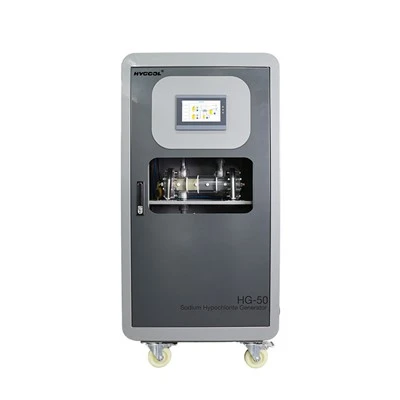
First, let’s talk about what you’re actually replacing. Most pool heaters fall into two main camps: gas (natural gas or propane) and electric heat pumps. There’s also the old-school electric resistance heaters, but those are pretty niche now, mostly for small, above-ground pools. The type you have (or want to upgrade to) is the biggest driver of cost, full stop. Gas heaters are the workhorses for fast heating—they can get your pool up to 80 degrees in a few hours, perfect if you’re hosting a last-minute pool party. Electric heat pumps are way more energy-efficient long-term, though they’re slower, especially in cold weather. Right off the bat, a new gas heater will run you between $2,500 and $5,500 installed. A mid-tier heat pump? That’s $4,000 to $8,000, and high-efficiency or big-capacity models for larger pools can jump to $10,000 or more. Wait, why such a big gap? It’s all about BTUs, or British Thermal Units, which is how we measure heating power. If you have a 20,000-gallon above-ground pool, a 100,000 BTU unit is enough. But a 40,000-gallon in-ground pool? You’ll need 200,000 BTUs or more, and those bigger units cost way more.
Next up, labor. This is the part most homeowners don’t factor in, and it’s a huge chunk of the total cost—usually 20% to 40% of the entire replacement price. Installing a pool heater isn’t like swapping a lightbulb. You’ve got to run gas lines (for gas models), size and wire electrical circuits (for heat pumps), make sure the heater is properly vented to avoid carbon monoxide buildup, and get it all inspected to meet local code. If you’re swapping an old gas heater for a new one that’s the same size and type, labor is a little cheaper—maybe $800 to $1,500. But if you’re switching from gas to electric, or moving the heater to a different spot in your yard? Labor can jump to $2,000 or more. We’ve had customers try to do this themselves to save cash, and it almost always ends with them calling us because they messed up the gas line or their breaker can’t handle the new unit. Don’t be that person. Good, licensed labor is worth every penny to avoid safety hazards and code violations.
Then there are the hidden parts and extra upgrades that sneak up on you. When you pull out your old heater, there’s a good chance some of the surrounding parts are outdated or damaged and need replacing too. For gas heaters, that might mean a new gas line, regulator, or vent pipe—those can add $300 to $1,000. For heat pumps, you might need a new disconnect switch, or if your electrical panel is old, upgrading it to handle the unit’s power needs can run $1,500 to $3,000. We also recommend certain add-ons that make your heater work better and last longer, like a solar cover reel or a timer, but those are optional. Wait, what about old heater disposal? Most areas charge a small fee to haul away the old unit, usually $100 to $200, that’s another line item people forget.
Now, let’s talk about the difference between replacing vs. repairing, because that’s a question we get all the time. A lot of customers call us panicking because their heater won’t turn on, and they assume they need a whole new unit. But most of the time, it’s a small part—like a faulty thermostat, a clogged igniter, or a bad pressure switch—that costs $100 to $500 to fix. The rule of thumb we tell our clients is: if repair costs are more than 50% of a new unit, just replace it. Old heaters are less efficient, so even if you fix them, you’ll pay way more in utility bills every month. An old gas heater, for example, might be 60% efficient, while a new high-efficiency model is 95% efficient, so you’ll save hundreds a year on gas. That adds up fast.
Location also plays a role, believe it or not. If you live in a warm state like Florida or Arizona, you don’t need a super powerful heater, so costs are lower. If you live in the Northeast or Midwest, where pool season is shorter and colder, you need a bigger BTU heater to keep the water warm when the weather’s chilly, so prices go up. We had a customer in Minnesota last year who needed a 250,000 BTU heat pump for his 50,000-gallon pool—his total installed cost was over $11,000, while a similar sized pool in Texas might have cost him $7,000. That’s a massive difference just based on climate.
Another thing to consider is efficiency ratings. We always push our customers to go for high-efficiency models, even if they cost a little more upfront. A high-efficiency gas heater might have an AFUE (Annual Fuel Utilization Efficiency) rating of 95% or higher, while a standard one is around 80%. That extra 15% means you’re not wasting gas heating up air, so your monthly bills will be way lower. For heat pumps, look for SEER (Seasonal Energy Efficiency Ratio) ratings—higher SEER means less electricity use. A top-tier heat pump might cost $1,000 more than a basic one, but you’ll make that back in utility costs in 2-3 years. We’ve seen customers who skipped the high-efficiency model save $500 upfront but then pay $300 extra a year in gas for 10 years. That’s $3,000 down the drain—don’t do that.
Wait, what about above-ground vs. in-ground pools? Does that change anything? A little. Above-ground pools are usually smaller, so their heaters are lower BTU, which means lower cost. A new gas heater for a 15,000-gallon above-ground pool is around $1,800 to $3,000 installed, while a similar size heat pump is $3,000 to $5,000. In-ground pools, as I mentioned earlier, need bigger units, and often more complex setup (like buried gas lines or bigger electrical runs), so total costs are higher. We had an in-ground pool customer in California get a new gas heater last year, total installed was $4,200, which is right in line with our average, but another in-ground customer in Oregon paid $6,500 because he needed a longer gas line and a larger vent system.
Now, let’s break down some real numbers so you can get a sense of what you might actually pay. Let’s take a 20,000-gallon in-ground pool, the most common size we see. If you replace an old standard gas heater with a new 150,000 BTU high-efficiency model: parts are $3,000, labor is $1,000, plus $200 for disposal and a new vent pipe—total $4,200. If you swap to a 180,000 BTU high-efficiency heat pump: parts $5,000, labor $1,200, new electrical disconnect $300, disposal $200—total $6,700. That’s a big jump, but if you live in a place with high electric rates, a heat pump will save you way more over time. In Texas, where gas is cheap, gas is usually better for short-term heating, but in New York, where electric rates are high, heat pumps often pay for themselves in 3-4 years.
We also get asked a lot about permits. Most cities and counties require a permit for pool heater installation, and that’s not free. Permit costs vary by area, from $50 to $200, and it’s usually included in the labor quote from your installer, but it’s worth asking about. You don’t want to get a fine for skipping a permit, that’s a headache no one needs.
What about warranties? That’s another big one. New heaters usually come with a 1-5 year parts warranty, and some manufacturers offer extended warranties for an extra cost. A heat pump might have a 10-year compressor warranty, which is a huge deal because the compressor is the most expensive part to replace. We always recommend getting the extended warranty if it’s affordable, because if that compressor goes out after the standard warranty, you could be looking at $2,000+ just for the part, plus labor.
Here’s the thing: as a pool equipment supplier, we see customers make two common mistakes when replacing their heater. First, they go for the cheapest unit possible to save money upfront, and then it breaks in 2 years and they have to replace it again. Second, they oversize their heater because they think “bigger is better,” which just wastes money on a unit that uses more energy than they need. A good installer (and we work with great ones) will size the heater correctly for your pool size, local climate, and how you use your pool.
Now, if you’re in the market for a new pool heater, don’t just go by online price tags. Those don’t include labor, parts, permits, or disposal. Get at least three quotes from licensed, local installers, and make sure each quote breaks down every cost—no hidden fees. And if you have an old heater that’s still working but inefficient, maybe wait until it dies before replacing. But if it’s already 10+ years old, it’s probably time to start planning for a replacement, because old units can be fire hazards (gas ones, specifically) and they’re terrible for your utility bills.
If you’re not sure which type of heater is right for you, or you need a quote, hit us up. We don’t do pushy sales stuff—we just want to help you get a heater that fits your pool, your budget, and your needs. No fine print, no weird hidden charges, just honest advice and quality equipment. We can walk you through all the options, help you size the unit correctly, and connect you with trusted local installers to get the job done right. Don’t guess at your cost—let us help you get the real numbers so you can stop waiting for the pool to warm up and start enjoying it.
UV Disinfection System References
- Pool & Hot Tub Alliance. (2023). Pool Heater Installation and Maintenance Guide.
- U.S. Department of Energy. (2024). Energy Savings from High-Efficiency Pool Equipment.
- International Code Council. (2023). Residential Pool Heater Safety and Installation Standards.
- Energy Star. (2024). Pool Heater Efficiency Ratings and Cost Comparison.
Guangzhou Qiaoyi Water Treatment Technology Co., Ltd.
Guangzhou Qiaoyi Water Treatment Technology Co., Ltd. is one of the most professional swimming pool equipment manufacturers and suppliers in China. With abundant experience, we warmly welcome you to wholesale cheap swimming pool equipment from our factory. Welcome to contact us for customized service and after-sales service.
Address: Floor 6th, Building 2, No.3, Ketai 1st Road, Baiyun District, Guangzhou 510445, Guangdong Province, China
E-mail: Hygool@hygool.com
WebSite: https://www.hygool.com/
