Hey everyone, let’s cut to the chase—if you’ve ever spent hours twisting, tugging, and fighting to get a decorative knot just right, you know the frustration. I’m gonna let you in on a little secret that changed the game for me (and thousands of other knot makers): the knot pusher. As someone who’s been supplying these bad boys for years, I get way too many questions like “what even is a knot pusher for decorative knots?” So today, I’m breaking it down straight, no corporate jargon, just the real deal. Knot Pusher

First off, let’s set the scene. Decorative knots—think macramé wall hangings, paracord bracelets, leather lanyard knots, even those fancy gift wrap bows that look like they’re from a boutique—all rely on tight, precise tension. When you’re working with cord, leather, paracord, or even thick embroidery thread, your fingers just can’t pull or tuck right. You end up with lumpy knots, uneven spacing, or worse, a frayed cord because you’ve been yanking too hard. That’s where the knot pusher comes in. It’s a small, handheld tool specifically designed to manipulate those tricky decorative knots without damaging your cord.
Wait, let’s get specific so you don’t confuse it with other tools. You’ve got your regular crochet hooks, your knitting needles, even your jewelry pliers—but those are for totally different jobs. A knot pusher is usually a solid, tapered rod, sometimes with a rounded tip, sometimes with a grooved end or a small fork, depending on the style. Some are made from wood, others stainless steel, even plastic for beginners. The key here is the shape: it narrows down to a point that can slip between knot loops, reach into tight spaces your fingers can’t, and push or tuck cord ends into place without snagging. No more sore fingertips, no more frayed cord ends—game changer, right?
Now, let’s talk why it’s non-negotiable for decorative knot work. Let’s take macramé, for example. A lot of new macramé makers try to tie square knots or spiral knots with just their fingers. If you’ve ever done that, you know how easy it is for the top loop of the knot to slip out of place, leaving your work looking messy. A knot pusher lets you adjust each loop exactly where it needs to be. You can tuck the working cord under the knot’s core without it getting tangled, and you can tighten the knot evenly all around—no lopsided knots, which is make-or-break for decorative pieces people actually want to hang or wear.
Paracord is another big one for decorative knots. Those cobra knots, bowline knots, or even the keychain knots everyone loves? Paracord is thick, stiff, and slippery. Trying to manipulate it with your fingers just leads to knots that come loose after a week or look all bulgy. A knot pusher’s tapered tip can work through that stiff paracord, pushing each strand into the correct position so your paracord knots stay tight and neat. I’ve seen hobbyists switch from struggling with paracord to cranking out perfect bracelets in half the time just because they started using a knot pusher.
Even leather knot work—think leather chokers, wrist cuffs, or decorative belt knots—benefits so much. Leather is thick, prone to creasing, and if you yank it with pliers, you get permanent marks that ruin the look. A knot pusher lets you work slowly and gently, tucking leather ends into the base of the knot without denting or scratching. That’s a big deal for people making leather accessories they want to sell or keep for themselves.
Let’s clear up a common myth, too: a lot of folks think “I can just use a chopkin or a safety pin.” Sure, a safety pin might work in a pinch, but it’s flimsy, can bend, and might have sharp edges that cut your cord. A regular chopstick is too thick—you can’t get into the tiny loops of a decorative knot. Knot pushers are made exactly for this job: their size, shape, and tip are calibrated to slip into tight knot spaces without damaging your material. It’s like using a screwdriver instead of a butter knife to open a can—way more effective and way less likely to mess things up.
Now, let’s talk about why I started supplying these. I used to be a hobbyist too. I’d spend 4 hours on a macramé wall hanging, only to mess up the final knots because my fingers were too small, the cord was too thick, and I was tugging too hard. I went online looking for a tool that would fix it, and all I found were either overpriced “pro tools” or cheap plastic knockoffs that broke after two uses. So I started working with small manufacturers to make solid, durable knot pushers at a price that doesn’t break the bank for beginners or pros alike. Now, I supply to hobbyists, small craft shops, and even jewelry makers, and the feedback is always the same: “I can’t believe I worked without this.”
Wait, let’s get into the nitty gritty of how to actually use a knot pusher, just so you know it’s not some voodoo tool. Let’s say you’re tying a square knot in macramé. After you cross your two cords to make the first half of the knot, instead of grabbing the loops with your fingers, slide the tip of your knot pusher under the bottom loop, lift it up a little, and guide the other cord through. Then, when you pull tight, use the pusher to press down on the knot’s core to make sure it’s seated evenly. For tucking cord ends (when you finish a knot, you hide the loose end inside the work), the pusher’s tip is perfect for sliding that end into the gaps of the knot without pulling it back out. For smaller knots, like paracord keychains, a thinner knot pusher works way better than your fingers—you can get into the tiny knots that are only a few millimeters wide.
What about different types of knot pushers? Not all are made the same. We supply a few styles: the standard tapered wood pusher, great for most macramé and leather work; the stainless steel grooved pusher, perfect for thick paracord because the grooves hold the cord in place so it doesn’t slip; and the tiny plastic fork-tip pusher, for super small knots like jewelry knots or even embroidery floss decorative knots. We also have ones with ergonomic handles for people who do this for hours (hello, macramé makers who crank out wall hangings for craft fairs—sore hands are no joke). That’s the thing about good knot pushers: they’re tailored to different jobs, not one-size-fits-all.
Let’s talk about who this is for, just in case you’re wondering if it’s for you. If you’re a beginner who just started macramé and can’t get your knots to look right? Yes. If you’re a paracord hobbyist making keychains and bracelets for friends? Yes. If you’re a small business selling handmade leather accessories? Yes. Even if you’re a seasoned maker who’s been doing this for 10 years—chances are you’re still struggling with some tricky knots, and a knot pusher will cut your time in half and make your work look way more professional. I’ve had a lot of regular customers tell me they now turn around 3 times as many pieces for their shop, all because they stopped fighting with knots.
Now, let’s address the elephant in the room: is it worth the money? I get it, you don’t want to buy a tool for a hobby. But here’s the deal: a good knot pusher costs less than $15, and it’ll last you years. Compare that to the frustration of messing up a $20 cord spool, or spending extra time on a piece that ends up looking unprofessional. For beginners, it’s the fastest way to go from “my knots look messy” to “I can make something I’m proud of.” For pros, it’s a tool that increases your output without sacrificing quality. It’s not a luxury—it’s a workhorse.
Wait, let’s give a quick example of a common mistake people make without a knot pusher. Last month, a customer told me she’d spent 6 hours on a macramé plant hanger, only to notice the outer knots were all lopsided and one strand was frayed because she’d tugged it too hard with her fingers. She bought one of our stainless steel knot pushers, re-did the knots in 45 minutes, and now that hanger is the first thing in her shop that sells out. That’s the kind of difference this tool makes. It’s not just about making knots easier—it’s about making work you’re excited to show people.
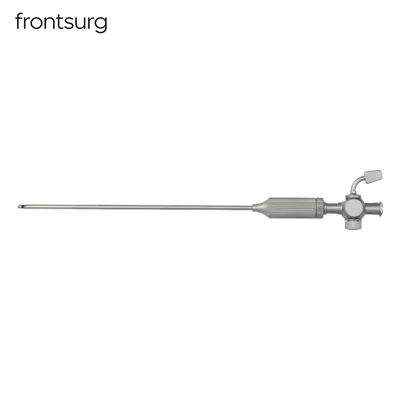
So, to wrap this up, a knot pusher for decorative knots is simply a specialized tool that solves all the headaches of manual knot tying. It helps you get tight, precise knots without damaging your cord, cuts your work time, and makes your finished pieces look way more polished. It’s not some fancy gadget—its whole purpose is to take the guesswork and frustration out of something that’s supposed to be fun, whether you’re a casual hobbyist or a small business owner.
Appliers for Open Surgery If you’re tired of fighting with knots, messing up your cord, or wasting hours on a piece that doesn’t turn out right, it’s time to give a knot pusher a try. We supply high-quality, durable options for every type of decorative knot work, from macramé to paracord to leather. If you’re a hobbyist looking to pick up a few, or a small shop wanting to order in bulk, reach out to us to chat through what you need, no pressure. We’re here to help you stop struggling and start creating knots you love.
References
- Macramé Made Simple: A Beginner’s Guide to Decorative Knots, Craft Resources Press, 2022
- Paracord Knotting Tools & Techniques, Outdoor Hobby Publications, 2021
- Leather Craft Essentials: Tools for Knot Work, Artisan Supply Co., 2023
- “The Impact of Specialized Tools on Handmade Craft Output,” Journal of Small Craft Businesses, Vol. 18, No. 2, 2024
Frontmed (Hangzhou) Trading Co., Ltd.
Frontmed (Hangzhou) Trading Co., Ltd. is one of the most experienced knot pusher manufacturers and suppliers in China, also supports custom service. Please rest assured to wholesale high quality knot pusher made in China here from our factory. Contact us for more details.
Address: Room 406, Building 6, No.1688 Chunjiang East Rd, Tonglu, 311500, Hangzhou
E-mail: alex@frontsurg.com
WebSite: https://www.frontsurg.com/
