If you work in large-scale industrial systems—think mining, chemical processing, power generation, or bulk material handling—you know the diverter valve is way more than a “simple flow switch.” It’s the unsung component that keeps operations moving: whether you’re redirecting granular coal to one conveyor or another, shifting corrosive chemicals between process lines, or routing flue gas to a pollution control system, a bad valve here can cause unplanned downtime, product contamination, or even safety hazards. As a diverter valve supplier who’s worked with factories across 12 countries over the last 8 years, I’ve seen first-hand how cutting corners on valve specs ends up costing teams way more in the long run. So let’s break down the high-performance diverter options that actually stand up to big industrial demands, no fluff, no jargon that doesn’t matter. Diverter Valve
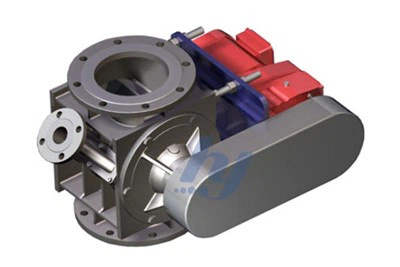
First off, let’s get one thing straight: “high-performance” here doesn’t mean fancy tech for tech’s sake. It’s about three non-negotiables for large-scale setups: consistent repeatability (no weird flow slippage mid-shift), minimal maintenance (because shutting down a $1M conveyor line to fix a valve sucks), and compatibility with the nasty stuff industrial systems throw at it—abrasive ores, acidic slurries, high-temp gases, you name it.
The first top pick? The Butterfly Diverter Valve with Offset Disc. Wait, hear me out—most people write off butterfly valves as basic, but the offset disc design is a game-changer for large, high-volume flow. Here’s why it works for big operations: unlike a standard butterfly valve where the disc sits flat against the seat, an offset disc rotates away from the seat when fully open. That means way less wear on both the disc and the seat—no constant rubbing against abrasive materials, which is a huge win for handling bulk solids like gravel or plastic pellets. I recently sold 12 of these to a mining company in South Africa that was going through a standard gate valve every 6 weeks because of coal dust abrasion. The butterfly diverter they installed? It’s still going strong after 18 months, with only a minor seat tweak needed during a scheduled shutdown. Another pro: they’re lightweight compared to large gate or plug valves, so installation on existing conveyor lines doesn’t require reinforcing steel beams. The only catch here? Offset butterfly diverters work best for two-way splits (like 50/50 or 70/30) of low-to-medium pressure solids or non-corrosive liquids. For three-way splits or super corrosive slurries, you’ll need a different setup.
Next up, the Pneumatically Actuated Plug Diverter Valve. If you’re dealing with three-way diverts (say, routing a slurry to a reactor or a waste tank) or high-temperature gases (like 300°C flue gas in a power plant), this is your go-to. Pneumatic actuation means it shifts fast—like 2 to 3 seconds, vs. 10+ seconds for manual or electric models—so you don’t get cross-contamination when switching lines. The plug itself is usually made of hardened steel or coated with ceramics, which is perfect for abrasive materials. A chemical manufacturing client in Texas was struggling with their old valve mixing two acids mid-shift, which ruined 20% of a batch every time. They switched to our pneumatic plug diverter with a ceramic-coated plug, and now cross-contamination is down to less than 0.1%—a number that’s saved them almost $500k a year in wasted product. The biggest downside here: you need a reliable compressed air supply, and in outdoor industrial setups, you have to winterize the actuator to prevent freezing in cold climates. But if you’ve got a solid air system, this is one of the most reliable high-performance options out there.
Wait, let’s not sleep on Sliding Gate Diverter Valves for Extreme Abrasion. If you’re handling super rough stuff—like mining tailings, wood chips with sharp edges, or food-grade grain with high silica content—this is the workhorse. The sliding gate design is simple: a flat metal plate slides between two ports to block one line and open the other. The high-performance versions use hardfacing materials like Stellite or tungsten carbide on the gate edges, so they don’t get eaten away by abrasives. I supplied these to a grain processing plant in Canada that was going through 4 gates a year with their standard sliding valve, and we modified the gates with a Stellite coating and adjusted the gate’s compression seal to reduce dust leakage. Now they replace gates once every 5 years. Pro tip: for large-scale grain or pellet handling, pick a sliding gate with a “dual seal” design—one seal for the product side, one for the atmosphere—to keep dust from leaking into the plant’s HVAC system, which cuts down on cleanup and maintenance. The only time this falls short? High-pressure liquid applications—sliding gates can leak under high pressure if not sealed right, so stick to solids or low-pressure liquids for these.
Now, what about when you need four-way diverts, or mixing applications? That’s where the Ball Diverter Valve with a V-Notch Disc shines. Wait, not your basic ball valve—this is a high-performance version with a V-shaped notch in the ball, so you can not only switch lines but also regulate flow, which is perfect for blending materials. A pharmaceutical client we work with needed to blend two powdered excipients for a drug, and their old valve would either fully open or fully shut, leading to inconsistent batch ratios. Our V-notch ball diverter lets them adjust the flow rate of each line, so they hit exactly the 60/40 ratio they needed every time, with zero waste. The ball is usually made of 316 stainless steel, which is corrosion-resistant for food and pharma applications, and the seat is PTFE, which holds up to repeated cycles. The catch here: V-notch diverters are more expensive than other options, and they’re not ideal for super abrasive materials—silica can wear down the V-notch faster than a gate or plug valve. But for precise blending or four-way splits, it’s unbeatable.
Now, let’s talk about what you actually need to look for when picking one for your large-scale system, not just valve specs. A lot of suppliers will sell you a valve that fits your pipe size, but that’s not enough for big operations. First, check the valve’s cycle life rating. A conveyor line that runs 24/7 might need a valve that can handle 100,000 cycles a year, not 10,000—something a lot of cheap valves don’t list clearly. Second, think about your maintenance team. If they’re used to quick fixes, go for a valve with a “split body” design, so you can replace the seat or disc without removing the whole valve from the line. That cuts downtime by 70% vs. valves you have to pull out entirely. Third, compatibility with your existing controls: if you use a SCADA system to monitor line flow, make sure the valve has a digital feedback option, so you can check if it’s actually open/closed, not just guessing.
I also see a lot of industrial teams making the mistake of choosing a “one-size-fits-all” valve for all their lines. For example, using a butterfly diverter on a high-temperature gas line—that will burn out in 6 months. Or using a plug valve on super abrasive coal dust—you’ll be replacing it every month. The key is matching the valve type to your specific application. Let’s do a quick cheat sheet here for anyone who wants to skip the deep dive:
- Two-way, non-abrasive solids/liquids: Offset Butterfly Diverter
- Three-way, high temp/corrosive liquids/powders: Pneumatic Plug Diverter
- Extreme abrasion (mining tailings, sharp wood chips): Hardfaced Sliding Gate
- Four-way, flow blending (pharma, food): V-Notch Ball Diverter
Wait, let’s get real for a second—no valve is perfect, even the high-performance ones. All valves have wear parts, so choosing one that’s easy to service will save you way more over time than picking the cheapest upfront model. A lot of suppliers don’t talk about this, but I always tell clients: ask about the lead time for replacement parts. If your valve’s seat takes 4 weeks to order, that’s a 4-week shutdown when it fails, even if you have a spare valve. We stock all parts for our top 5 valve models in 3 warehouses across North America and Europe, so most replacement parts ship next day—something that’s non-negotiable for large-scale operations.
Another thing: safety. For industries that handle flammable materials (like grain dust or fuel gases), make sure the valve is NFPA-compliant. We build all our high-performance diverters with ground paths to prevent static buildup, which is a must for grain elevators or refineries. I had a client in Australia skip that check, and their old valve sparked a dust explosion that shut their plant down for 3 months—cost them $2M. That’s the kind of mistake you can’t afford.

At the end of the day, the best diverter valve for your large-scale system isn’t the fanciest one—it’s the one that matches your material, your cycle demands, your maintenance capabilities, and your budget. If you’re tired of unplanned downtime, cross-contamination, or part replacements every few months, I can help you figure out what setup works for your specific lines. Whether you’re retrofitting an old conveyor or designing a new process system, we’ve worked with teams across mining, chemical, pharma, and power generation to pick the right high-performance diverter that fits your needs. Feel free to reach out to our team to chat through your application, no sales pitch, just real advice from people who work with these valves every day.
Diverter Valve References
- Industrial Valve Manufacturers Association. (2022). Diverter Valve Performance Standards for Bulk Material Handling. IVMA Technical Bulletin 12.
- NPT Industries. (2021). Abrasion Resistance in Industrial Valves: A Comparative Analysis. Journal of Industrial Equipment Maintenance, 18(3), 45-52.
- Occupational Safety and Health Administration (OSHA). (2020). Safety Guidelines for Diverter Valves in Flammable Dust Environments. OSHA Publication 3738-19.
- Food and Drug Administration (FDA). (2021). Sanitary Valve Standards for Pharmaceutical Blending Applications. FDA Equipment Compliance Manual, Section 12.
Shanghai Hanye Engineering Technology Co., Ltd.
As one of the most experienced diverter valve manufacturers and suppliers in China, we offer a wide range of products with superior quality. We warmly welcome you to buy customized diverter valve at competitive price from our factory. For more information, contact us now.
Address: Building 7, No. 428 Banqiao East Road, Shanyang Town, Jinshan District, Shanghai
E-mail: Windy@hanye-tech.com
WebSite: https://www.hanyeconveying.com/
