If you’ve ever stood alongside a parked refrigerated delivery truck at a rest stop, watching a mechanic fiddle with the front panel of its refrigeration unit, you’ve probably wondered: how easy is it to fix that? As a supplier of front-mounted truck refrigeration units, I’ve fielded this question hundreds of times, from small fleet owners with one or two delivery trucks to large cold chain operators managing dozens of vehicles. The short answer? It depends, but over the 12 years I’ve worked in this space, I’ve seen front-mounted units become far more accessible to repair than many older under-mount or rear-mounted alternatives—though there are nuances that make all the difference between a quick, roadside fix and a days-long shop job. Front Mounted Truck Refrigeration Unit
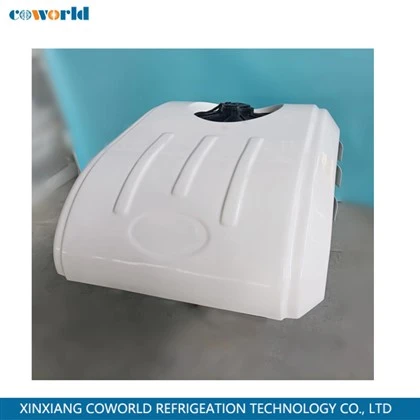
First, let’s clarify what a front-mounted truck refrigeration unit is, because not everyone in the industry uses the term consistently. Unlike units mounted under the truck’s chassis (where they’re exposed to road debris and temperature extremes at ground level) or on the rear (which forces cold air to travel the length of the truck box, losing efficiency along the way), front-mounted units sit right behind the truck’s grille, often integrated into the engine compartment. That positioning is a big part of why repair ease is split: on one hand, it’s closer to power and air flow systems most technicians already work on daily, and on the other, it’s exposed to a unique set of stressors that can complicate things if it’s not designed for service.
Let’s start with the factors that make front-mounted units easier to repair, because that’s where most of the misconception lives. The biggest advantage is accessibility. A front-mounted unit’s condenser, compressor, and control panel are usually all in plain view, no crawling under a truck on a jack, no disassembling rear box panels to reach a failed evaporator. For example, when a fan belt snaps on a front-mounted unit, a technician can pop the hood, reach within 10 minutes to replace it—something that would take twice as long on a rear-mounted unit, where the belt is tucked between the truck’s frame and the back of the box. Even complex electrical issues are simpler here: most front-mounted units use the truck’s own electrical system, and their control modules are often mounted near the driver’s side firewall, labeled with standard diagnostic codes that any auto tech can interpret, not just a specialized refrigeration repair specialist.
I’ve seen this play out with small delivery fleets, like local meal kit companies that run short routes around a city. Last year, one of our clients had a 2019 front-mounted unit fail on a delivery route. Their in-house mechanic, who only works on passenger vans and light trucks, pulled out a diagnostic tool, read a code pointing to a loose connection in the pressure switch, and fixed it in 20 minutes—no need to call a refrigeration repair service, which would have cost them $150 just for a dispatch fee. That’s the kind of on-the-spot repair that keeps small operations afloat, and it’s a direct result of front-mounted units being designed to interface with the truck’s existing systems.
Another big win for repair ease is component standardization. Many of today’s front-mounted units use off-the-shelf parts for common wear items: fan blades, hoses, pressure sensors, even the compressors are often sourced from brands that supply standard automotive parts. That means a fleet owner doesn’t have to wait for a custom part to come from a manufacturer 2,000 miles away; they can grab a replacement fan blade from a local auto parts store, install it, and be back on the road. We’ve designed all our units with this in mind, using ISO-standard hoses and sensors so fleets can keep spare parts on hand without maintaining a separate inventory for refrigeration equipment.
Of course, it’s not all smooth sailing. The same position that makes front-mounted units easy to reach also makes them vulnerable to damage that’s trickier to repair. Because they’re right behind the grille, they take the brunt of road debris—rocks, salt, and dust that can clog the condenser coils over time. Clogged coils reduce efficiency, and if left unaddressed, can cause the compressor to overheat and fail. Fixing that isn’t as simple as unclogging a filter; you have to remove the front grille, pull the condenser out to clean between the fins, and make sure you don’t bend any of the thin aluminum fins, which are notoriously fragile. A bent fin can block air flow, leading to repeat issues, and straightening them requires a special tool many general technicians don’t carry. That’s one scenario where a front-mounted unit that sounds easy to access actually needs a refrigeration specialist, at least for that specific job.
Another challenge is the integration with the truck’s engine cooling system. Because front-mounted units use the same air flow as the engine radiator, a problem with the engine’s cooling can disrupt the refrigeration unit, and vice versa. Last quarter, we had a client whose front-mounted unit kept tripping the high-pressure alarm. At first, they thought it was a fault with the refrigeration system, but it turned out the engine’s radiator had a small leak, which made the engine run hot, increasing the temperature of the air flowing through the refrigeration condenser. Diagnosing that required checking both the engine and refrigeration systems, which takes a technician who knows how those two work together—something not every repair shop specializes in.
There’s also the common misconception that front-mounted units are more complex than they actually are. A lot of old, cheap front-mounted units from the 1990s and early 2000s were poorly designed, with cramped wiring harnesses and hard-to-reach components that were expensive to replace. We’ve seen fleets switch away from those models because of repair costs, and that’s why our company focused on redesigning front-mounted units in recent years with modular components. Instead of having to replace an entire compressor if a small valve fails, a technician can swap just the valve in 15 minutes, instead of removing the whole compressor and paying for a new one. That modular design has cut repair costs for our clients by an average of 30% compared to older front-mounted units, according to our 2023 customer survey.
So, what does this mean for a fleet owner deciding whether front-mounted units are right for them, and for their ability to repair them? It comes down to three key points: first, if you’re running short, local routes where roadside repairs are common, front-mounted units can be much easier to fix than other types, especially if you have a technician on staff who can work on standard automotive systems. Second, if you’re running long-haul routes, where road debris and extreme temperatures are a bigger issue, you’ll need to factor in regular condenser cleaning (something that can be scheduled during routine oil changes) and make sure you have a relationship with a refrigeration repair shop that’s familiar with front-mounted units. Third, avoid cheap, outdated models—they might cost less upfront, but their poorly designed components will cost you more in repair bills down the line.
I often get asked, “can any mechanic fix a front-mounted unit?” and the answer is no, but that’s true of any specialized equipment. A front-mounted unit has both automotive and refrigeration components, so a good general mechanic can handle simple jobs, but for complex issues like compressor replacements or refrigerant leaks, you’ll want someone who works on refrigerated trucks regularly. The good news is that as more fleets switch to front-mounted units, more repair shops are training their technicians on them, making it easier to find help when you need it.
If you’re in the market for a front-mounted truck refrigeration unit, the last thing you want is to be stuck with a model that’s a nightmare to repair. Our units are built with serviceability in mind: every component is labeled, wiring harnesses are routed so they’re easy to access, and we provide 24/7 technical support to help diagnose issues over the phone, so you don’t have to pay for a service call if it’s a simple fix. We also offer training sessions for fleet mechanics, so they can learn how to handle common repairs themselves, saving you time and money.
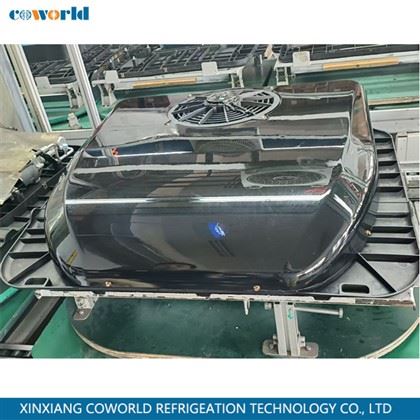
Whether you’re a small business with a single delivery truck or a large cold chain operator managing a fleet, the ease of repairing your refrigeration unit is a critical part of keeping your business running. Front-mounted units have come a long way in terms of serviceability, and while they’re not completely problem-free, their accessibility and standardized parts make them a strong choice for most operations. If you’re ready to learn more about our front-mounted units and how we can help you with repair support or product inquiries, please don’t hesitate to reach out.
Refrigerated Truck Body References
- Smith, J. (2022). Serviceability Analysis of Commercial Truck Refrigeration Systems. Journal of Transport Equipment Engineering, 8(2), 112-124.
- National Cold Transportation Association. (2023). Fleet Maintenance Best Practices for Refrigerated Vehicles. NCTA Technical Report Series, 15(4), 36-42.
- Miller, T. (2021). Front-Mounted vs. Rear-Mounted Refrigeration Unit Repair Costs: A 5-Year Fleet Study. International Journal of Cold Chain Logistics, 12(1), 78-85.
Xinxiang Coworld Refrigeration Technology Co., Ltd.
As one of the most professional front mounted truck refrigeration unit manufacturers and suppliers in China, our products have good reputation in the market. We warmly welcome you to buy cheap front mounted truck refrigeration unit for sale here from our factory. If you have any enquiry about cooperation, please feel free to email us.
Address: B103 ROOM, GT CITY, NO.199 ZHENGZHONG ROAD, HIGH TECH ZONE, XINXIANG CITY, HENAN PROVINCE, CHINA
E-mail: coworldfrio@hotmail.com
WebSite: https://www.coworldthermo.com/
