What is a shearing machine? If you’ve ever spent time in a metal fabrication shop, construction yard, or even a small home workshop tinkering with sheet metal, you’ve probably seen one in action—even if you didn’t know its name. I’ve been supplying shearing machines for over 10 years now, and one of the first things I always tell new customers is that these aren’t just generic metal cutters. They’re specialized workhorses, built to slice through sheet metal, aluminum, copper, and even thin steel like a hot knife through butter, without the messy sparks, warping, or uneven edges that come with sawing or grinding. Let’s break this down real simple, no jargon overload, just what you actually need to know. Shearing Machine
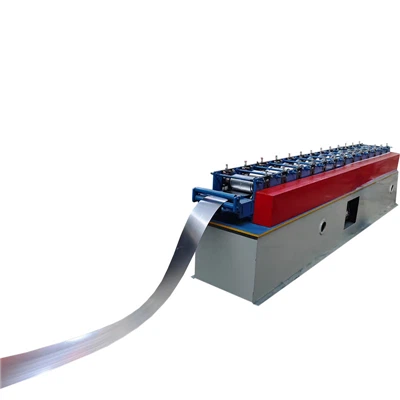
First, let’s get the basics right: a shearing machine, sometimes called a shear or sheet metal shear, is a power tool designed to make straight, clean cuts in flat sheet material. Unlike a saw, which tears through material by grinding or scraping, or a laser cutter, which uses heat to melt through metal, shearing works on pure mechanical force. It’s two sharp blades—one fixed at the bottom, one moving above—set at a tiny angle (usually 1 to 3 degrees, depending on the material) that creates a scissor-like action. When you pull the lever, press the button, or activate the hydraulic system, the top blade slams down, and the material gets sandwiched between the two blades and sheared clean in one pass. No heat affected zone, no burrs (well, minimal burrs, which are super easy to buff out later), and perfectly straight cuts every time. That’s why they’re the go-to for everything from making HVAC ductwork to fabricating car parts, storage racks, and even metal signs.
Now, not all shearing machines are the same, and that’s where most first-time buyers get confused. I’ve had shop owners come in saying they need a shearing machine, then end up getting something totally wrong for their project because they didn’t realize there are different types for different jobs. Let’s run through the main ones I supply, since that’s what I know best.
First, there’s the mechanical shear. This is the old-school workhorse, used in high-volume shops that run the same size and thickness of metal all day, every day. It runs on a motor and a flywheel—when you trip the mechanism, the flywheel stores energy and releases it to drive the top blade down. Mechanical shears are fast, super durable, and don’t use hydraulics, so you don’t have to worry about leaks or regular fluid changes. The downsides? They’re not great for small batches, and you can’t adjust the cutting angle easily. If you’re a fabrication shop that cuts 100 identical 4×8 foot steel sheets a week, a mechanical shear is perfect. But if you’re a small contractor who cuts random pieces for different jobs, it might be overkill.
Then there’s the hydraulic shear, which is by far the most popular these days, and the one I sell the most of. Instead of a flywheel, it uses hydraulic cylinders to power the top blade. That means way more control: you can adjust the cutting speed, the blade angle, and even the gap between the two blades based on what material you’re cutting. For example, thin aluminum needs a smaller gap to avoid distortion, while thick steel needs a slightly wider gap so the blades don’t bind. Hydraulic shears are quieter than mechanical ones, easier to set up for different jobs, and work great for both small batches and large runs. The only catch is you have to do basic maintenance on the hydraulic system—check fluid levels, change filters every few months, that kind of thing. Nothing complicated, just part of owning any power tool.
Next, there are guillotine shears, which are basically the same as the hydraulic or mechanical ones but for larger sheets. If you need to cut a 12-foot sheet of metal, a guillotine shear has the bed length to handle that, and the blade is long enough to make a full cut in one go. Smaller guillotine shears are also super common in auto body shops, where you need to cut small, precise pieces for panel repairs.
And let’s not forget about bench shears—those are the small, tabletop models for hobbyists, small garages, or workshops that don’t have a ton of space. They’re manual or have a tiny electric motor, can handle sheet metal up to like 1/8 inch thick, and are perfect for cutting small pieces for home projects, metal art, or small fabrication jobs. I always tell people: don’t buy a industrial hydraulic shear for your home garage. It’s overpriced, takes up half your shop, and you’ll never use all the power. Bench shears are made for smaller jobs, and they work great.
Now, a lot of people ask me: how do you actually use a shearing machine safely? Look, I get it—sharp blades, heavy power, it can feel intimidating at first. But if you follow basic rules, it’s way safer than a lot of other metal tools. First, always use the backgauge. That’s the little guide on the side of the bed that lets you set exactly how far from the edge of the sheet you want to cut. No guessing, no off-center cuts. Second, never put your hands near the blades. Always use push sticks or hold-down clamps to secure the material before cutting. I’ve seen guys try to hold a small piece of metal with one hand and hit the button with the other, and it’s always a close call. Don’t do that. Third, wear safety gear: goggles, ear protection, steel-toe boots. Even though shearing doesn’t produce a ton of sparks, those tiny metal burrs can fly off and hurt your eyes, and the blade is sharp enough to take off a finger if you slip. Fourth, make sure you’re cutting the right thickness and material for your shear. If you try to cut 1/4 inch thick steel with a shear rated for 1/8 inch, you’ll not only damage the blades, you could jam the machine and cause it to kick back. That’s a rookie mistake, but it’s super avoidable—just check the specs before you buy.
Wait, another common question: what’s the difference between shearing and other metal cutting tools? Let’s get that straight, because I get this all the time. A lot of people mix up shearing with plasma cutting or laser cutting. Here’s the thing: plasma and laser use heat to melt or vaporize metal, which works great for complex shapes, but they can leave a heat-affected zone (HAZ) that makes the metal harder and more brittle, and they leave a burr that needs grinding off. Shearing is cold cutting—no heat, so the metal’s properties stay the same, and the cut edge is clean enough to use right away, no extra finishing needed. It’s also way faster for straight cuts. If you need 50 straight 2×4 foot pieces of aluminum for a fence, a shearing machine can do all of them in 10 minutes. A laser cutter would take way longer, and you’d have to clean up the edges.
Of course, shearing isn’t perfect. You can only make straight cuts, right? If you need curved cuts or custom shapes, you need a different tool. But for straight, clean cuts on flat sheet material, nothing beats a shearing machine. And that’s why they’re such a staple in every metal shop, big or small.
Now, as a shearing machine supplier, I’ve worked with all kinds of customers over the years—from one-man metal art studios to large construction companies that need dozens of shears for their sites. One thing I’ve learned is that picking the right shearing machine isn’t about buying the biggest, most expensive one you can find. It’s about matching the machine to your actual needs. Let’s say you’re a HVAC contractor who mostly cuts 20-gauge galvanized steel for ductwork. A 4-foot hydraulic bench shear that cuts up to 16-gauge material is perfect—small enough to fit in your service truck, easy to transport, and exactly what you need for most jobs. If you’re a metal fabrication shop that does custom sign work and runs 10-gauge aluminum, a 6-foot hydraulic shear with adjustable blade gap is going to be way more useful than a smaller model.
I also always tell customers to look at the blade quality. The blades are the most important part of the shearing machine—if they’re dull or low-quality, you’ll get ragged edges, burrs, and you’ll have to replace them way more often. All the shearing machines I supply come with high-carbon steel blades that are hardened for durability, and I also offer replacement blades at a fair price, because let’s be real, even good blades wear out after a few years of heavy use. Maintenance is another big one: a shearing machine is an investment, so you want it to last 10, 15, even 20 years with proper care. That means cleaning the machine after every use, lubricating the moving parts, checking the blade gap regularly, and following the manufacturer’s maintenance schedule. I send all my customers a simple maintenance guide when they buy, so they don’t have to guess what to do.
Let me also address some common misconceptions I hear all the time. First: “Shearing machines only cut metal.” No way! You can also use them for thin plastic, rubber, and even cardboard, if you set the blade gap correctly. I’ve had a customer use a bench shear to cut custom-sized plastic sheets for a greenhouse project, and it worked like a charm. Second: “Hydraulic shears are too expensive for small businesses.” Okay, maybe a top-of-the-line industrial shear is pricey, but there are mid-range hydraulic shears that are affordable for small shops and contractors. I’ve got models that start at under $5,000, which is way less than a lot of other metal fabrication tools, and they can handle most jobs a small shop would throw at them. Third: “They’re hard to operate.” Modern shearing machines have simple controls—push a button to adjust the backgauge, push a button to run the cut. You don’t need a fancy engineering degree to use one. My team even offers free training for every customer, so you don’t have to figure it out on your own.
If you’re in the market for a shearing machine, whether you’re a hobbyist, small contractor, or large fabrication shop, here’s what I recommend you think about before buying: first, what’s the maximum thickness and type of material you’ll be cutting? That’s the number one spec you need to get right. If you only cut thin aluminum and galvanized steel, you don’t need a heavy-duty shear for 1/2-inch steel. Second, what’s the maximum length of cut you’ll need? If you’re cutting 8-foot sheets, you need a shear with at least an 8-foot bed. Third, how much space do you have? Industrial shears are big—they take up 10+ feet of floor space—so if you’re short on room, a bench shear or a compact hydraulic shear is the way to go. Fourth, what’s your budget? There’s a shearing machine for every price point, so don’t overspend on features you’ll never use.
At the end of the day, a shearing machine is more than just a tool—it’s the backbone of any shop that works with flat sheet material. It’s fast, clean, reliable, and if you pick the right one for your needs, it will pay for itself in no time. I’ve seen shops start with a small bench shear and grow into a business that runs multiple hydraulic shears, all because they had the right tool for the job from day one.

If you’re ready to talk about what shearing machine is right for you, feel free to reach out. We can walk through your specific needs, show you models that fit your budget and shop, and make sure you get a machine that will work hard for years to come. No pushy sales pitches, no confusing jargon—just straight talk about metal cutting tools that actually work.
Metal Sheet Roll Cold Rolling Forming Equipment References
- Smith, J. (2021). Metal Fabrication Basics: Shearing Machines and Their Applications. Industrial Press.
- Davis, R. (2019). Maintenance Guidelines for Sheet Metal Shearing Equipment. Journal of Metalworking Technology.
- Wilson, T. (2022). Comparing Cold Cutting Processes: Shearing vs. Laser vs. Plasma. Fabrication Monthly.
Wuxi Yuanding Machinery Manufacturing Co., Ltd.
We’re well-known as one of the leading shearing machine manufacturers and suppliers in China, also support customized service. Please feel free to buy advanced shearing machine made in China here from our factory. For pricelist, contact us now.
Address: Yaguang Industrial Park, No. 88 Chaoyang South Road, Xishan District, Wuxi City, Jiangsu Province
E-mail: 13861798466@163.com
WebSite: https://www.wxyuanding.com/
