When I first started working as a Plastic Cup Thermoforming Machine supplier, I heard a lot of questions from small-scale cup manufacturers just testing the waters of the disposables industry. One question stands out more than any other: “Can your machine make cups in different shapes?” At the time, I used to give a simple “yes” but not much context. Over the past 12 years building and servicing thermoforming machines for dozens of clients—from local juice shops that sell custom tumblers to large packaging firms doing multi-line runs—I’ve learned that the answer is far more nuanced than a one-word response. It’s not just about yes or no; it’s about how, when, and whether switching shapes makes financial and operational sense for your business. Plastic Cup Thermoforming Machine

Let’s start with the basics: what a plastic cup thermoforming machine does, and why shape change used to be a big hurdle for many operators. Traditional thermoforming works by heating a thermoplastic sheet—PP, PET, PS, sometimes even biodegradable PLA—to a pliable temperature, then forming it into a mold under vacuum or pressure, trimming the edges, and cutting the individual cups. Early thermoforming machines were built for single-mold sets. If you wanted to make a conical 12-oz cold cup one week and a square 8-oz hot cup the next, you’d have to stop the entire line, unclamp the old mold, bolt a new one into place, realign the forming tools, adjust the trim dies, and test for a full shift. That downtime could stretch from 2 to 8 hours, eating into profits, especially for small manufacturers with tight production windows.
But modern thermoforming technology has changed that. Today’s mid-to-high-range cup thermoforming machines— the kind we engineer and service at our facility—are designed with modular components that make shape changes faster, more reliable, and more accessible than ever. The core technology here is interchangeable mold sets, but not just the simple ones from 10 years ago. Our machines, for example, use quick-release mold bases that slide into place without specialized tools, paired with digital alignment guides that let operators set up a new shape in 20 to 45 minutes, depending on the complexity.
Not all shapes are equal in this process, though. Let’s break down the most common cup shapes our clients produce, and how easy shape changes are between them. Conical cups, the standard round shape used for soft drinks, coffee, and takeaway meals, are the easiest to swap. You can switch from a 16-oz conical cold cup to a 10-oz conical hot cup in under 30 minutes because the mold bases are similar, and only the forming cavities and trim dies need replacing. Where things get trickier is non-conical shapes: square, rectangular, hexagonal, or novelty shapes like those cartoon-character tumblers kids’ use. These shapes require different mold geometries, tighter tolerances, and often custom trim tools, so shape change times jump to 45 to 90 minutes. That said, even for novelty shapes, the process is manageable if you plan ahead. We’ve had clients who run two shifts of conical cups, then switch to novelty ice cream cups for a third shift, making the downtime worth it for the extra revenue from custom products.
Another key point: material compatibility plays a role in shape versatility. Some plastics, like thin-gauge PP, are very flexible when formed, so they work for tight, intricate shapes without warping. Thicker materials, like those used for insulated coffee cups, have different thermal properties, so a shape that works for thin PP might not translate to thicker PET. Our machines are calibrated to adjust heating times, vacuum pressure, and mold temperature automatically when you switch materials, so shape changes don’t mean sacrificing cup quality. We once had a client who switched from 8-oz PS disposable cups to 12-oz square PP cups for a local bakery; they reported no increase in defects after the shape change, thanks to the machine’s adjustable forming parameters.
Now, for small-scale manufacturers, there’s a common misconception that only industrial machines can handle multiple shapes. That’s not true. We sell entry-level thermoforming machines designed for startups or small businesses with lower production volumes, and these models also support shape changes, just with a few trade-offs. Entry-level machines usually require a bit more manual adjustment for alignment, so shape change times are around 1 to 2 hours, and they work best for simple shapes like round or slightly modified conical cups. If you’re a café owner looking to make branded takeaway cups occasionally, or a home-based food business making custom party cups, an entry-level machine will work for multiple shapes without the high cost of an industrial unit.
Of course, there are limits to what a plastic cup thermoforming machine can do when it comes to shape. You can’t switch between a small 4-oz sauce cup and a large 64-oz cold storage container on the same line without modifying parts of the machine. The same goes for extreme shape features: a cup with a very wide base vs. a narrow neck would require different draw ratios, so the machine’s forming depth needs to be adjusted. That’s why before we sell a machine, we always ask clients to outline their short-term and long-term product plans. If a client says they want to make 5 different cup shapes over the next two years, we’ll recommend a machine with a larger capacity for mold storage and a digital control system that saves shape-specific settings—so when you switch back to a shape you’ve used before, you don’t have to re-calibrate from scratch. That’s a feature we added 5 years ago after a client spent hours re-calibrating a 12-oz cup they’d made months earlier; the saved settings cut their repeat shape change time by 70%.
Maintenance is another factor that affects how consistently a machine can produce different shapes. A well-serviced machine will have tight mold tolerances, so each shape is formed evenly across every cup. If molds are worn or trim dies are misaligned, you’ll get defects like uneven rims or leaking sides, even if you have the right shape on file. We offer quarterly maintenance plans for all our clients, which include mold inspections and tool calibration to ensure that shape changes don’t lead to quality issues. One of our long-term clients, a regional packaging provider, now runs 8 different cup shapes on a single line; their defect rate dropped by 12% after we upgraded their maintenance schedule two years ago.
Let’s also talk about the business case for producing multiple cup shapes. Many clients come to us wanting a versatile machine because they want to avoid being stuck with a single product line. If your local grocery store stops ordering conical cups, or a new competitor sells square cups at a lower price, you can switch to a higher-demand shape without shutting down your operation entirely. We saw this during the 2023 holiday season, when several of our clients switched from standard coffee cups to novelty holiday-themed cups to capitalize on seasonal demand; the shape change took a few hours, and they reported a 30% increase in sales that month. For small businesses, this flexibility is often the difference between staying afloat and expanding.
But it’s not all upside. Changing shapes too frequently can lead to inefficiency. If you’re switching shapes every few hours, the downtime adds up, and the cost of storing multiple mold sets can be a burden for small operations. That’s why we advise clients to group production runs by shape: run all conical cups on Monday and Tuesday, square cups on Wednesday and Thursday, and so on. This reduces the number of shape changes per month, keeping downtime low and storage needs manageable. We also offer mold rental programs for clients who only need a specific shape for a few months at a time, so they don’t have to invest in a new mold set that sits unused after the season ends.
If you’re considering adding a plastic cup thermoforming machine to your operation, whether you’re a startup or an established business, the first step is to clarify what shapes you want to produce, and how often you’ll need to switch. Don’t just ask “can it make different shapes?”—ask about the change time, the compatibility with your target materials, and the maintenance support we provide. We’ve helped hundreds of clients find machines that match their production needs, from small entry-level units for custom party cups to industrial machines that run 10 different cup shapes daily.
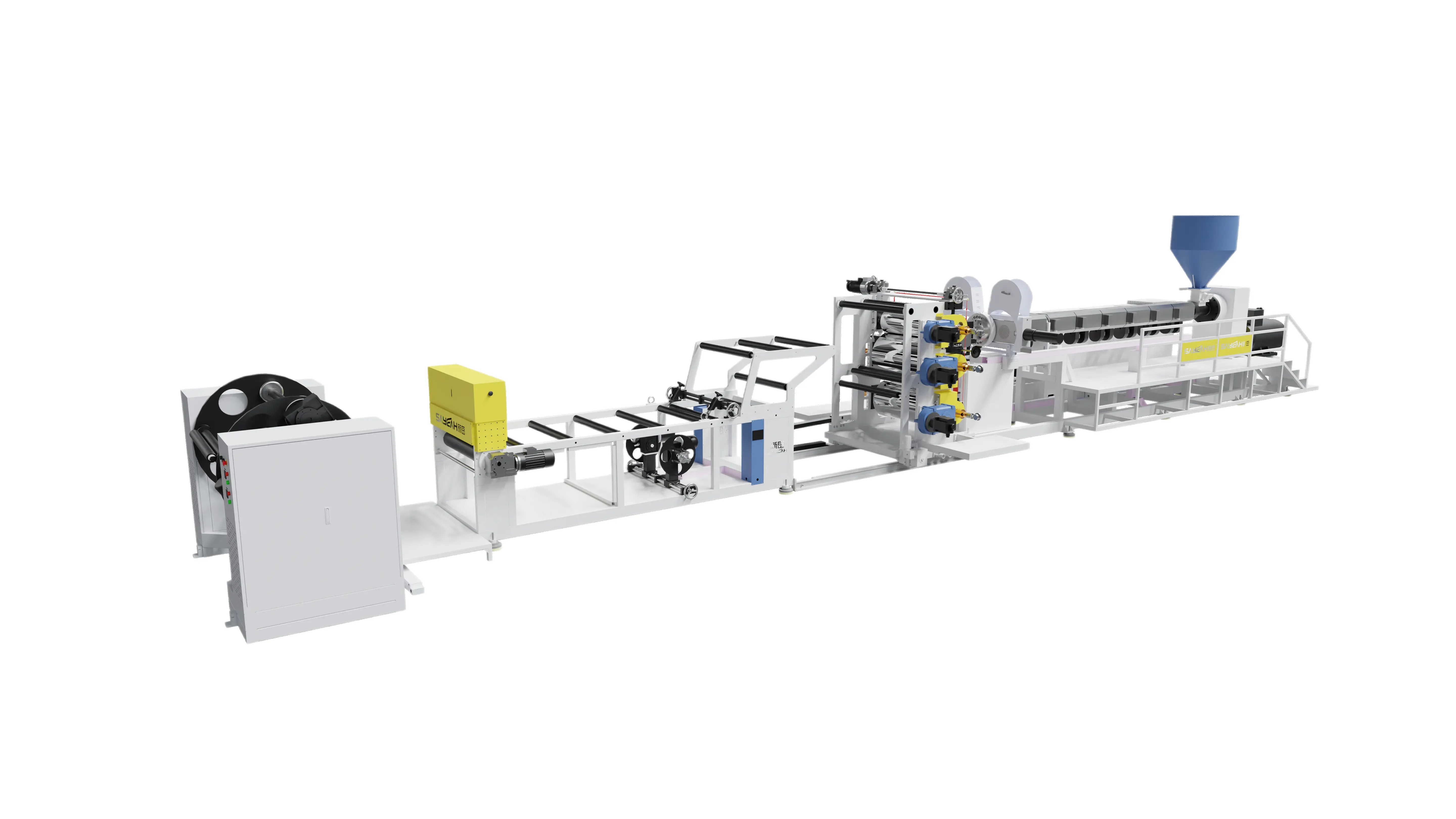
If you’re ready to learn more about how a thermoforming machine can fit your product plans, or you have questions about shape change processes, feel free to reach out to our team to discuss your requirements. We’re here to help you make the right choice for your business, no matter how many cup shapes you want to produce.
Three Station Thermoforming Machine References
- Material Science and Engineering for Plastics Packaging, Elsevier, 2021
- Thermoforming Machinery: Principles and Applications, Industrial Press, 2019
- Disposable Cup Manufacturing Trends and Market Analysis, Packaged Facts, 2022
- Small-Scale Plastics Processing: A Guide for Startups, Springer, 2020
Zhejiang Sayeah Machinery Co., Ltd.
Zhejiang Sayeah Machinery Co., Ltd. is one of the most reliable manufacturers and suppliers of plastic cup thermoforming machine in China, also supports high quality customized service. Please feel free to buy CE approved plastic cup thermoforming machine from our factory. For price consultation, contact us.
Address: Wanquan District Industrial Zone,West Of China National Highway 104, Sunlou Village, Wanquan Town, Pingyang County, Zhejiang Province. China
E-mail: sales@sayeahmachinery.com
WebSite: https://www.sayeahthermoforming.com/
