If you’ve ever shopped around for emergency splints (or worked in EMS, a clinic, or even a busy school nurse’s office), you’ve probably noticed that not all splints are made the same. I’ve been supplying emergency splint series for almost a decade now, and one question pops up every single time a new customer hits my inbox or calls: “Can the emergency splint series be adjusted?” Emergency Splint Series
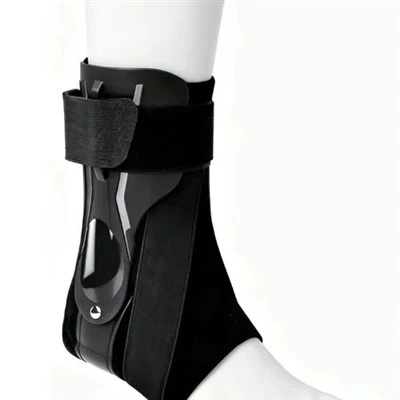
I get it. When you’re in a pinch—whether you’re strapping a sprained ankle at a weekend soccer game, stabilizing a broken wrist after a fall, or prepping supplies for a wild community first aid course—you don’t want to be stuck with a one-size-fits-all (pun very much intended) piece of plastic that’s either too loose to do its job or too rigid to make small tweaks right when you need them.
Let me start by clearing up a common myth: a lot of folks hear “emergency splint series” and assume it’s a static, non-adjustable line of gear. Nope, not when you’re working with a modern, customer-focused line. Wait—let’s break this down, because “adjusted” can mean a few different things, and that’s where people get confused. Are you talking about reshaping the splint to fit a specific body part? Are you wondering if you can trim it down to size? Or maybe you want to modify the strapping so it fits a kid’s tiny arm vs. an adult’s larger calf? Let’s go through each, because that’s where our series shines.
First, let’s talk about the core material of most quality emergency splint series: we use a thin, flexible aluminum core covered in a soft, non-slip foam wrap. That’s not random. Aluminum is lightweight (so it doesn’t add unnecessary strain to an injured limb) but rigid enough to hold its shape once set—perfect for emergencies. But here’s the game-changer: that aluminum core isn’t set in stone. You can bend it, twist it, shape it right there on the spot to match the exact curve of an ankle, forearm, or even a shoulder. I’ve had paramedics tell me they’ve shaped our splint series around a patient’s odd arm angle to keep them comfortable during transport, which is a big deal—no one needs extra pain while waiting for an ambulance.
But wait—can you adjust the size? Like, if a splint is a little too long for a kid or too short for a tall adult? Yes, absolutely. Our series is designed with tear lines that are easy to cut with regular first aid shears (no fancy tools required). I always tell my clients: measure the limb first, then trim the splint to match. No more cutting off a foot of splint and wasting half the roll. For example, our medium splint is 36 inches, which works great for adult arms, but if you’re dealing with a 10-year-old’s wrist, you can snip it down to 18 inches and it fits like a glove. It’s that simple.
Now, what about the strapping? That’s another area where people ask about adjustability. The standard strapping that comes with our emergency splint series is Velcro, right? Because Velcro is fast, it stays put, and you can loosen or tighten it in 2 seconds if the injured person says it’s too tight (super important—circulation checks are non-negotiable). But we also offer an optional add-on: extra-length straps. If you’re strapping a splint to a large, heavy cast or a leg that’s swollen (which happens fast after an injury), you can swap out the standard straps for longer ones without any hassle. No need to hunt for a roll of gauze to makeshift a fix—we’ve thought about that.
Let me be real for a second: I’ve seen bad splints in my time. The cheap ones from big-box stores that crack if you bend them once, or the ones where the Velcro falls off after two uses. Our emergency splint series is built for repeat adjustability, not just one-off use. You can reshape it, trim it, re-strap it, and use it again next time someone needs it. That’s a huge plus for clinics or organizations that go through a lot of splints—they save money because they don’t have to replace them after a single use.
Wait, but is there a limit to how much you can adjust? Of course. You can’t bend it into a shape it’s not meant for, like a complete circle (that’s not how splints work). But for any standard injury—sprains, strains, minor fractures—our series is totally flexible (pun again, sorry, but it’s true) enough to adapt. I remember a time a few years back, a youth soccer league ordered a bulk set from me, and their trainer called me panicking because a player had a fractured thumb and needed a way to stabilize it right then. They grabbed a small splint from the set, bent it down to thumb size, trimmed a tiny piece, and strapped it on. No rush, no hassle. That’s exactly what emergency gear is supposed to do.
Another thing I get asked: “Can you adjust the splint for different environments?” Like, if you’re using it outdoors in the rain? Our foam wrap is water-resistant, and the aluminum core doesn’t rust, so shaping it is just as easy even if it’s a little damp. No need to dry it off first—you can work with it right away, which is critical for outdoor emergencies. I’ve had hikers tell me our splint series is a staple in their first aid kits because they can adjust it on the trail, no EMT nearby.
Let’s also talk about why this adjustability matters so much. Back in the day, emergency splints were one-size-fits-all, which meant you either had to use a giant splint that hung past the toes or a tiny one that didn’t cover the whole limb. That’s not safe. A splint that’s too short won’t stabilize the full injury site, and one that’s too long can cause more strain. Our series eliminates that problem because you can tailor it to the exact patient and exact injury. It’s not rocket science—it’s just common sense gear that works when you need it.
I know a lot of suppliers will tell you their splints are adjustable, but when you actually use them, you realize they’re not. The bend too easily, the Velcro is cheap, the tear lines are impossible to cut without ruining the whole splint. But with our emergency splint series, we test every batch to make sure that’s not the case. We send samples to paramedics, nurses, and first aid volunteers to give us feedback, and we tweak the design based on what they say. That’s why people keep coming back—because they know they can count on it to adjust when they need it.
Here’s a little personal story: A few months ago, I had a customer who runs a small urgent care clinic. They ordered a bulk set, and a week later, they called me saying they’d had a patient with a compound fracture who needed a custom shape. Their staff used one of our splints, shaped it to fit the patient’s twisted leg, trimmed it to the right length, and used the extra straps they’d added. They said it was the first time they’d had a splint that didn’t require them to call in a custom orthopedic supply order. That’s the kind of thing that makes this job worth it—knowing our gear is actually helping people.
So, to circle back to the original question: Can the emergency splint series be adjusted? Short answer: Hell yes. You can shape it to fit any limb, trim it to any size, adjust the strapping for comfort and circulation, and reuse it multiple times. It’s designed for real-life emergencies, not just shelf display.
If you’re a clinic manager, a school nurse, an outdoor group coordinator, or just someone who keeps first aid gear at home (hey, we all should), and you’re tired of splints that don’t work when you need them, it’s time to look at an emergency splint series that actually delivers on adjustability. I’ve been in this game long enough to know what works, and our line is built to make your life easier, not harder.
If you want to chat more about adjustability, bulk pricing, or how our splints can fit your specific needs, feel free to reach out. We’re here to help, and we don’t do one-size-fits-all solutions—we do gear that adapts to you.
Elbow Immobilization Brace Series References:
American Red Cross. (2021). First Aid Splinting Guidelines.
National Emergency Medical Services Association. (2022). Emergency Splint Design and Use Standards.
Journal of Emergency Medical Services. (2020). Flexible Splint Adjustability in Pre-Hospital Care.
Hebei Maidike Medical Equipment Co., Ltd.
Hebei Maidike Medical Equipment Co., Ltd. is one of the most professional emergency splint manufacturers and suppliers in China, also supports customized service. We warmly welcome you to wholesale bulk durable emergency splint in stock here from our factory. Contact us for free sample.
Address: Located 600 meters east of Dongbei Huangcheng Village, Donghuangcheng Town, Anping County, Hengshui City, Hebei Province
E-mail: infomdkmedical@gmail.com
WebSite: https://www.hebeimdk.com/
