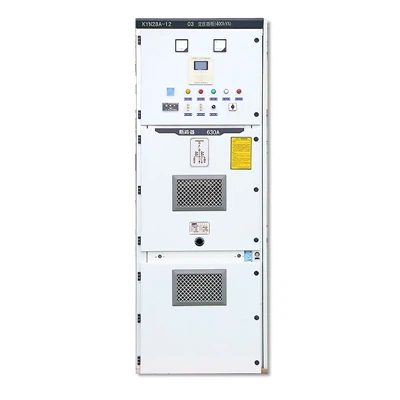
As a supplier of Low – Voltage Switchgear, I’ve witnessed firsthand the significance of meeting the right environmental requirements for its installation. Low – Voltage Switchgear, which is used to control, protect, and isolate electrical equipment in low – voltage power distribution systems, is a critical component in various industries. Ensuring that it is installed in an appropriate environment not only guarantees its proper functioning but also extends its service life. Low-Voltage Switchgear
Temperature and Humidity
One of the most fundamental environmental factors for Low – Voltage Switchgear installation is temperature. Most Low – Voltage Switchgear is designed to operate within a specific temperature range, typically between – 5°C and 40°C. Extreme temperatures can have detrimental effects on the performance and lifespan of the switchgear.
In high – temperature environments, the electrical resistance of conductors increases, leading to more heat generation. This can cause overheating of components such as circuit breakers, contactors, and busbars. Over time, excessive heat can degrade insulation materials, reducing their effectiveness and increasing the risk of electrical breakdown. For example, if the temperature inside a switchgear cabinet exceeds the recommended limit, the insulation on the wires may start to melt, which can result in short – circuits and potentially cause fires.
On the other hand, low temperatures can make the insulation materials brittle. When the switchgear is subjected to mechanical vibrations or impacts, the brittle insulation is more likely to crack, exposing the conductors and creating safety hazards. Additionally, low temperatures can affect the performance of some electronic components in the switchgear, such as sensors and control modules, leading to inaccurate readings and improper operation.
Humidity is another crucial factor. High humidity levels can cause moisture to condense on the surfaces of the switchgear components. Moisture is a major enemy of electrical equipment as it can cause corrosion of metal parts, such as busbars and contacts. Corrosion increases the contact resistance, which in turn leads to more heat generation and can eventually cause the contacts to fail. Moreover, moisture can also contaminate insulation materials, reducing their dielectric strength and increasing the risk of electrical leakage.
The ideal relative humidity range for most Low – Voltage Switchgear installations is between 10% and 90%, non – condensing. To maintain these conditions, especially in areas with high humidity, dehumidifiers or ventilation systems can be installed in the switchgear room. These systems help to remove excess moisture from the air and prevent condensation.
Altitude and Ventilation
Altitude also plays an important role in Low – Voltage Switchgear installation. As altitude increases, the air density decreases. This affects the performance of some components in the switchgear, particularly those related to heat dissipation. With lower air density, the cooling capacity of natural convection and radiation decreases. As a result, the switchgear may overheat more easily at higher altitudes.
Most Low – Voltage Switchgear is designed for use at altitudes up to 2000 meters. If the installation site is at a higher altitude, derating factors need to be applied. For example, the rated current of the switchgear may need to be reduced to account for the reduced cooling efficiency. Additionally, the clearances and creepage distances between conductors may need to be increased to prevent electrical breakdown due to the lower air insulation strength at high altitudes.
Proper ventilation is essential for Low – Voltage Switchgear installation. Ventilation helps to remove the heat generated by the switchgear components during operation. A well – ventilated switchgear room ensures that the temperature inside the cabinet remains within the acceptable range. There are two main types of ventilation: natural ventilation and forced ventilation.
Natural ventilation relies on the principle of hot air rising and fresh air entering the room through vents or openings. It is a simple and cost – effective solution, but it may not be sufficient in some cases, especially in large switchgear installations or in areas with high ambient temperatures. Forced ventilation, on the other hand, uses fans or blowers to actively circulate the air. This provides more precise control over the airflow and can effectively remove heat from the switchgear.
Dust and Contamination
Dust and other contaminants can have a significant impact on the performance of Low – Voltage Switchgear. Dust particles can accumulate on the surfaces of conductors and insulation materials, reducing their insulation properties. When enough dust builds up, it can act as a conductor, causing electrical leakage and increasing the risk of short – circuits.
Moreover, some contaminants, such as chemicals, can corrode the metal parts of the switchgear. In industrial environments where there are high levels of dust, such as mines or cement plants, special precautions need to be taken. For example, the switchgear can be installed in a sealed cabinet with a filtered air intake system. This helps to prevent dust and other contaminants from entering the cabinet and protecting the components inside.
In areas with high levels of chemical contamination, such as near chemical factories or refineries, the switchgear needs to be made of corrosion – resistant materials. Special coatings or treatments can also be applied to the surfaces of the switchgear components to enhance their resistance to chemicals.
Vibration and Shock
Vibration and shock can also affect the performance and reliability of Low – Voltage Switchgear. In industrial settings, there may be sources of vibration, such as heavy machinery or motors. Excessive vibration can cause loose connections in the switchgear, leading to increased contact resistance and potential overheating. It can also damage some of the sensitive components, such as relays and control circuits.
To prevent the negative effects of vibration and shock, the switchgear should be installed on a stable foundation. Anti – vibration mounts can be used to isolate the switchgear from the sources of vibration. Additionally, all the connections inside the switchgear should be properly tightened to ensure a secure fit.
Electromagnetic Interference
In today’s increasingly electrified world, electromagnetic interference (EMI) is a common concern. Low – Voltage Switchgear can be affected by EMI from various sources, such as radio frequency signals, power lines, and other electrical equipment. EMI can disrupt the operation of the control circuits and sensors in the switchgear, leading to inaccurate readings and improper switching actions.

To protect the switchgear from EMI, proper shielding and grounding measures should be taken. The switchgear cabinet should be made of conductive materials and properly grounded to provide a path for the electromagnetic currents to flow safely to the ground. Additionally, all the cables used in the switchgear should be shielded to prevent the entry of external electromagnetic signals.
Cable Branch Box As a Low – Voltage Switchgear supplier, I understand the importance of providing not only high – quality products but also professional guidance on installation. Ensuring that the environmental conditions meet the requirements is crucial for the long – term performance and safety of the switchgear. If you are in the market for reliable Low – Voltage Switchgear and need expert advice on installation, feel free to reach out to us. We are more than happy to discuss your specific needs and provide you with the best solutions.
References
- International Electrotechnical Commission (IEC) standards on Low – Voltage Switchgear.
- National Electrical Manufacturers Association (NEMA) guidelines for electrical equipment installation.
- Industry reports on the impact of environmental factors on electrical equipment performance.
Jiangxi Yihong Electric Power Technology Co., Ltd.
As one of the most experienced low-voltage switchgear manufacturers and suppliers in China, we also support customized service. We warmly welcome you to buy high quality low-voltage switchgear from our factory. If you have any enquiry about pricelist, please feel free to email us.
Address: Chating Industrial Park, Guangxin District, Shangrao City, Jiangxi Province
E-mail: 15779933057@163.com
WebSite: https://www.yihcn.com/
