Hey there, if you’ve ever shopped around for pipe production materials (let’s be real, you’ve probably ended up sifting through a mess of specs and labels that don’t make sense), you’ve probably wondered one big thing: are there actual safety certifications that mean something, or is that just marketing fluff? As someone who’s been in the pipe materials supply game for over a decade, I’ve seen way too many folks skip checking certs and end up with materials that fail pressure tests, corrode way too fast, or even leach stuff that’s a problem for plumbing, industrial lines, or even drinking water. Today, I’m breaking down the real, relevant safety certs that matter for pipe production materials—no stuffy jargon, just what you need to know to avoid a headache later. Pipe Production Materials

First, let’s get one thing straight: not all certs are created equal. There’s the random “copy-paste cert” that some suppliers drag out, and then there’s the stuff that’s actually tested by a third party that’s trusted across industries. When it comes to pipe materials, the big ones tie back to what the pipe’s gonna be used for—drinking water, oil and gas, industrial chemicals, wastewater? Each has its own rules, and the certs are built for that. Let’s start with the most common one people ask about: NSF/ANSI 61. Wait, no, hold up—NSF stands for National Sanitation Foundation, right? This is non-negotiable if your pipe’s gonna carry drinking water (residential plumbing, municipal water lines, that kind of thing). What does NSF 61 actually test? It’s not just a quick check—they test every single material that touches water in the pipe: the PVC, the HDPE, even the glue or gaskets used to put it together. They make sure nothing leaches into the water that’s unsafe—lead, heavy metals, volatile organic compounds (VOCs), all that bad stuff. A lot of suppliers will say “NSF-listed,” but make sure it’s the right standard, not NSF 14, which is for pipe itself, not the material’s water safety. I’ve had a client come to me once because they bought pipe from a no-name supplier that said it was “NSF approved” but it was actually NSF 14, so the material leached lead and got their whole building cited by the health department. Oops.
Next, if you’re dealing with industrial pipes or ones that carry stuff other than drinking water, there’s ASTM International standards. Wait, ASTM is kind of a big umbrella—they have like 12,000 standards for everything from metals to plastics, right? For pipe materials, the key ones here are things like ASTM A53 for steel pipe, ASTM B42 for copper, and ASTM D1785 for PVC. What makes ASTM different from some other certs? It’s a performance standard, not just a safety check. So ASTM A53, for example, tests that steel pipe can handle a certain pressure, doesn’t have hidden defects (like holes from bad welding), and will resist corrosion for a set number of years. If a supplier’s material doesn’t meet ASTM specs, that’s a red flag—even if the price is half of what you’d pay elsewhere. I’ve seen people go cheap on steel pipe that didn’t meet ASTM, and it corroded through in 2 years instead of 20, leading to thousands in repairs. Trust me, that $0.10 per foot savings isn’t worth the headache.
Then there’s the International Organization for Standardization (ISO) certs, specifically ISO 9001 and ISO 14001. Wait, ISO 9001 is about quality management systems, not a product safety cert itself, but it’s a big indicator that a supplier’s process is consistent. If a supplier has ISO 9001, that means they test every batch of materials, not just one random sample once a year. ISO 14001 is about environmental management, which ties to safety too—if a company’s following strict environmental rules, they’re way less likely to cut corners on material safety. I once turned down a supplier that had ISO 9001 but cut corners on raw material sourcing, so their pipes kept cracking under pressure. Don’t just take the cert at face value—ask the supplier to show you their batch test results, not just the big certificate on their wall.
Now, for folks in oil and gas or high-pressure industrial lines, you’ll hear about API specs—American Petroleum Institute. API has standards like API 5L for line pipe, which is the go-to for steel pipe used to carry oil, natural gas, or hazardous fluids. API 5L is super strict—they test every weld, every seam, and make sure the pipe can handle extreme pressure, temperature swings, and harsh chemicals. If you’re moving something flammable or under high pressure, API 5L is non-negotiable. I had an oil and gas client a few years back that tried to use uncertified pipe for a new pipeline, and it burst during a pressure test, shutting down their whole rig for 3 days. That mistake cost them way more than buying certified pipe would have.
Wait, what about plastic pipes, like HDPE or PVC for outdoor use or wastewater? There’s the AWWA standard—American Water Works Association. AWWA has standards specifically for pipes used in municipal water systems, wastewater, and irrigation. AWWA C906, for example, is for HDPE pipe for drinking water, and it’s way more rigorous than regular ASTM specs because it’s made for underground use, handling soil pressure, root intrusion, and temperature changes. A lot of farmers use AWWA-certified pipe for irrigation because it lasts longer in the ground without corroding or leaching.
Now, let’s talk about the stuff that’s not a “real” cert—marketing terms that you should ignore. You’ll see things like “industrial grade” or “heavy duty” stamped on a product, but that’s not a third-party tested cert. Anyone can print that on a label. Or “FDA approved” for non-food use—FDA is for food and drugs, so if your pipe is for drinking water, FDA approval might cover the material, but it’s not the same as NSF 61. A lot of suppliers will mix those up to make their product sound better, so always ask for the exact standard number, not just the vague name.
As a supplier, here’s what I tell my clients: we never send out any material without the corresponding test results. For example, if we sell NSF 61-listed PVC pipe, we can send you the third-party test report that shows it met all the leach limits. If we sell API 5L steel pipe, we have the API certification number you can check directly on the API website (yes, you can verify those certs—don’t just take the supplier’s word for it). I’ve had people call me and ask, “Hey, this other supplier said their pipe is NSF approved, can you confirm that?” and half the time, it’s a fake cert. You can easily look up the NSF website and search for the company’s name to make sure their cert is active, not expired or revoked.
Another thing to keep in mind: some certs are region-specific. If you’re in Europe, you’ll see CE marking, which is required for any product sold in the EU. CE marking shows that the pipe material meets EU safety, health, and environmental protection standards. For example, CE marking for pipe materials ensures they don’t have harmful substances that violate REACH regulations. REACH is the EU’s rule on chemical safety, so if you’re sourcing for Europe, CE and REACH compliance are must-haves. I’ve had a client who tried to import pipe from Asia that had CE marking, but it turned out to be a fake, so they got stuck with a shipment that couldn’t be sold in the EU. That’s why verifying certs, not just looking at the label, is so important.
Wait, let’s address a common myth: some folks think that all certified materials are more expensive, so they’d rather go with cheaper uncertified stuff. Yeah, certified materials cost a bit more upfront, but the long-term savings are huge. Let’s do a quick math example: if you buy uncertified steel pipe for $1 per foot, and it lasts 5 years, that’s $0.20 per foot per year. Certified pipe is $1.50 per foot, and lasts 20 years— that’s $0.075 per foot per year. Plus, you don’t have to pay for repairs, downtime, or replacing the pipe early. That’s a no-brainer, right? I’ve seen too many small businesses go for the cheap stuff and end up spending way more in the long run.
So, what should you actually do when you’re shopping for pipe production materials? First, figure out what the pipe will be used for. Is it drinking water? NSF 61 or AWWA. Steel for oil and gas? API 5L. Plastic for industrial use? ASTM D1785 or ISO 14001. Then, ask your supplier for three things: 1) The exact standard the material is certified to (not vague terms), 2) Third-party test results for a recent batch (not a 5-year-old report), 3) A way to verify the certification is real (link to the cert database, or a contact for the testing company). If a supplier can’t give you that, walk away. No exceptions.
At the end of the day, safety certs for pipe materials aren’t just a box to check—they’re a guarantee that the material will do what it’s supposed to do, without causing harm or costly problems. As someone who’s been supplying these materials for years, I’ve built my business on only selling certified, tested products, because I know that if my clients’ pipes fail, it’s on me. I’d rather lose a sale than send a material that’s not up to snuff.
If you’re shopping around for pipe production materials, or you’re not sure what certs you need for your specific project, feel free to reach out. I’m happy to walk through your needs, show you test results, or answer any questions you have about certifications. Don’t risk cutting corners on something that can cause big issues down the line—let’s make sure you get the right stuff the first time.
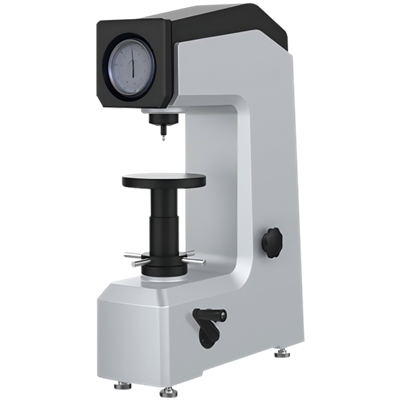
Steel Pipe Testing Equipment References
National Sanitation Foundation (NSF) International. (2024). NSF/ANSI 61: Drinking Water System Components – Health Effects.
ASTM International. (2024). Standard Specifications for Pipe Materials for Various Applications.
American Petroleum Institute (API). (2024). API Specification 5L: Line Pipe.
American Water Works Association (AWWA). (2024). AWWA C906: Standard for Polyethylene (PE) Pressure Pipe and Fabricated Fittings for Water Transmission and Distribution.
ISO. (2024). ISO 9001: Quality Management Systems, and ISO 14001: Environmental Management Systems.
Tianjin Binhai Yashanway Import and Export Co., Ltd.
Tianjin Binhai Yashanway Import and Export Co., Ltd. is one of the most reliable pipe production materials manufacturers and suppliers in China, also supports customized service with low price. Welcome to wholesale bulk pipe production materials made in China here from our factory. Contact us for quotation.
Address: B-508, Xiangnian Plaza, Dongjiang Road, Hexi District, Tianjin, China
E-mail: crystal@yashanway.com
WebSite: https://www.yashanway.com/
