Hey there! As a supplier of DC contactors, I’ve been dealing with all sorts of folks in different industries. One area that’s really caught my eye is the telecommunications systems. You might be wondering, "What on earth do DC contactors have to do with telecommunications?" Well, let me break it down for you. DC Contactor
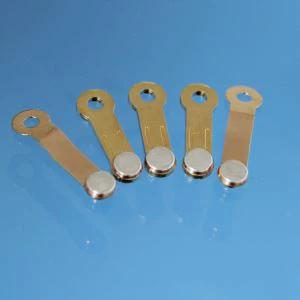
First off, let’s talk a bit about what a DC contactor actually is. It’s a type of electrical switch that’s designed to control DC (direct current) circuits. Think of it like a traffic cop for your electrical signals, deciding when to let the current flow and when to stop it. It’s made up of a coil and contacts. When you apply voltage to the coil, it creates a magnetic field that pulls the contacts together, closing the circuit. When you remove the voltage, the contacts spring back open, breaking the circuit.
Now, how does this gizmo fit into the world of telecommunications? Well, telecommunications systems are all about sending and receiving signals, whether it’s your phone call, text message, or that Netflix show you’re binge – watching. And these systems rely on a stable and reliable power supply to function properly. That’s where DC contactors come in.
Power Distribution and Backup Power Systems
One of the most important applications of DC contactors in telecommunications is in power distribution. Telecommunication facilities, like cell towers, data centers, and switching stations, need a constant and reliable power source. Most of these places use a combination of AC (alternating current) and DC power. The DC power is crucial for things like electronic circuits, control systems, and backup batteries.
DC contactors are used to manage the flow of DC power between different parts of the power distribution system. For example, in a data center, there are multiple racks of servers, each with its own power requirements. DC contactors can be used to connect and disconnect these racks from the main power source. This way, if there’s a problem with one rack, the contactor can isolate it from the rest of the system, preventing a power surge or outage from affecting the whole data center.
Backup power is also a big deal in telecommunications. When the main power grid fails, telecommunication systems need to switch over to backup power sources, like batteries or generators, instantly. DC contactors play a key role here. They can quickly and safely transfer the electrical load from the main power supply to the backup power source. This ensures that there’s no interruption in the service, and your phone calls and internet access keep going without a hitch.
Battery Management
Batteries are an essential part of telecommunications systems. They act as a backup power source during power outages and also help to stabilize the power supply. But batteries need to be managed properly to ensure their long – term performance and safety. That’s where DC contactors come in handy again.
DC contactors are used to control the charging and discharging of batteries. When the main power is available, the contactor allows the battery to charge. Once the battery is fully charged, the contactor can be switched to disconnect the charging circuit, preventing overcharging. This is important because overcharging can damage the battery and reduce its lifespan.
On the other hand, when there’s a power outage, the DC contactor allows the battery to discharge and supply power to the telecommunications system. And when the battery voltage drops below a certain level, the contactor can disconnect the battery to prevent over – discharging, which is also harmful to the battery.
Protection and Isolation
In any electrical system, protection and isolation are crucial. Telecommunication systems are no exception. DC contactors provide an important layer of protection against electrical faults, such as short circuits and overloads.
If there’s a short circuit in a part of the telecommunications system, the DC contactor can quickly detect the abnormal current and open the circuit. This helps to prevent damage to the equipment and reduces the risk of fire. Similarly, in case of an overload, when too much current is flowing through the circuit, the contactor can disconnect the load to protect the system.
Isolation is also important for maintenance and troubleshooting. When technicians need to work on a specific part of the telecommunications system, they can use DC contactors to isolate that part from the rest of the system. This ensures that they can work safely without the risk of getting an electric shock or causing damage to other components.
Remote Control and Monitoring
Another cool application of DC contactors in telecommunications is remote control and monitoring. In modern telecommunications systems, many of the operations need to be controlled and monitored remotely. DC contactors can be integrated with control systems that allow operators to turn the power on and off, and monitor the status of the contactor from a central location.
For example, in a large – scale telecommunications network with multiple cell towers spread across a wide area, operators can use a remote control system to manage the power supply to each tower. They can turn on the power to a tower before a major event when there’s expected to be a high demand for mobile services, and turn it off during off – peak hours to save energy.
The monitoring feature is also very useful. Operators can receive real – time alerts if there’s a problem with the contactor, such as a failure to open or close. This allows them to take immediate action and prevent any disruptions to the telecommunications service.
Environmental Adaptability
Telecommunication systems are installed in all sorts of environments, from hot and humid rainforests to cold and dry deserts. DC contactors need to be able to work reliably in these harsh conditions.
Good – quality DC contactors are designed to be resistant to temperature variations, humidity, and dust. They have special coatings and seals to protect the internal components from moisture and corrosion. So, whether it’s a cell tower in the middle of the Sahara Desert or a data center in a tropical country, the DC contactors can keep doing their job without a problem.
Cost – Effectiveness
Let’s not forget about cost – effectiveness. In the telecommunications industry, where profit margins can be tight, every penny counts. DC contactors offer a cost – effective solution for power management and control.
They are relatively inexpensive compared to some other types of electrical switches and control devices. And because they are durable and reliable, they require less maintenance and replacement over time. This means that telecommunications companies can save a lot of money in the long run by using DC contactors in their systems.
So, there you have it! These are just some of the many applications of DC contactors in telecommunications systems. If you’re in the telecommunications business and you’re looking for a reliable and high – quality DC contactor supplier, look no further. We’ve got a wide range of DC contactors that are suitable for all sorts of telecommunications applications. Whether you need them for power distribution, battery management, or protection, we’ve got you covered.

If you’re interested in learning more about our products or discussing a potential purchase, don’t hesitate to reach out. We’re happy to have a chat and help you find the best DC contactor solutions for your needs. We’re here to support your business and ensure that your telecommunications systems run smoothly.
Battery Car DC Relay References
- Electrical Engineering Handbook for Telecommunications, McGraw – Hill
- Telecommunication Power Systems: Design and Operation, Wiley
Zhejiang Aokai Electric Co., Ltd.
Zhejiang Aokai Electric Co., Ltd. is your best source for the high quality dc contactor with CE certification. We have been one of the largest dc contactor manufacturers and suppliers in China since our establishment in 2008. Welcome to contact our factory for the products.
Address: No.166 Xiangbai Road, Huxi Industrial, Yueqing, China.
E-mail: akcontactor@aokai.com
WebSite: https://www.ak-contactor.com/
